How Teams Use Simulators and Stopwatches to Fight F1 Penalties
F1 simulator penalty analysis reveals how teams rebuild incidents to challenge FIA decisions


The High-Stakes Art of the F1 Appeal
Formula 1 teams have the power to appeal penalties imposed by the stewards over a race weekend, but to do so, they must present new evidence that hasn’t yet been seen by F1’s law enforcement. As a result, teams have investigated every avenue of the series to uncover new, creative, and clever evidence they believe could help them overturn a racing result. With McLaren and Red Bull heading to the FIA’s International Court of Appeal over the Monaco Grand Prix controversy, the process has never been under greater scrutiny.
The ongoing debate surrounding F1 simulator penalty analysis has become crucial for teams as they navigate the complexities of penalty appeals. Understanding the implications of these penalties and the strategies teams employ in F1 simulator penalty analysis is vital for success in the highly competitive environment of Formula 1.
The Monaco GP Controversy: Why This Matters Now
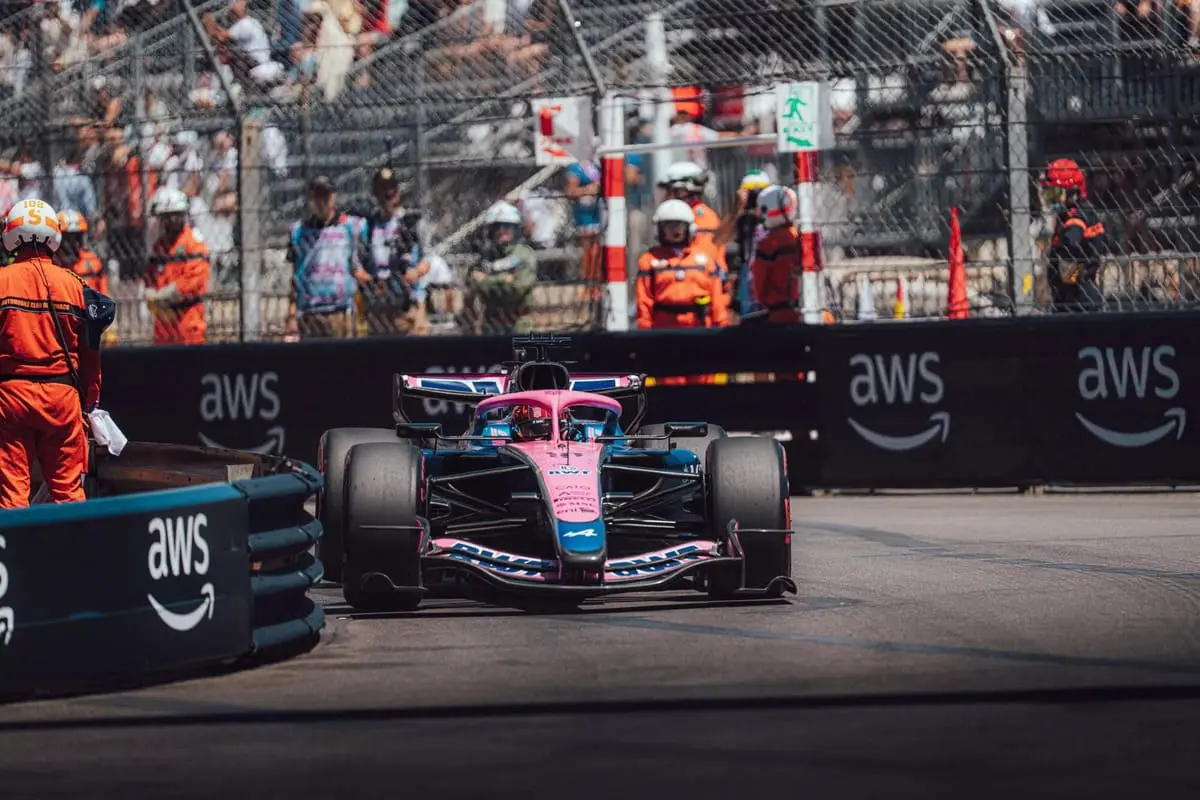
At the Monaco Grand Prix, several drivers were handed time penalties for exceeding pit lane speed limits. Afterwards, it emerged those pit lane infractions were false flags, caused by a timing loop error at the start of Monaco’s unique pit entry. All drivers other than Gasly had already served their time penalties during the race, while the Frenchman was handed a double five-second time penalty at the flag.
Alpine was the only team to launch a right of review after the race and was successful in overturning Gasly’s penalties by providing new evidence to the stewards, which included FOM’s admission it had miscalculated the length between two timing loops at the pit lane entry. By confirming their own appeal and paying the €5,000 appeal fee and €20,000 deposit, McLaren and Red Bull will now head to the FIA’s International Court of Appeal in Geneva.
McLaren and Red Bull are not alone in their concerns, as several other teams have either privately or publicly expressed their unease at the can of worms the Gasly reinstatement has opened. There are fears the Monaco precedent means drivers are now incentivised not to serve any penalties during the race and protest afterwards instead.
Five Creative Methods Teams Have Used to Challenge Decisions
1. The Sky Pad Pundit — Ferrari at the 2019 Canadian GP
Ferrari presented stills from a Sky Pad analysis of Sebastian Vettel’s 2019 Canadian Grand Prix to try and overturn a penalty he received for re-entering the track in an unsafe manner and forcing Lewis Hamilton off the road. In an attempt to appeal, Ferrari presented “video analysis performed by Karun Chandhok for Sky Sports after the race” alongside telemetry, GPS and other data. However, stewards acknowledged that the footage “was new but not significant and relevant as this is a personal opinion by a third party.” The request was rejected and Vettel took second behind Hamilton.
2. Social Media Footage — Red Bull at the 2020 Austrian GP
Analysis of an incident shared on social media included 360-degree camera footage from the front of Hamilton’s Mercedes that wasn’t initially available to stewards, as cars can only broadcast one live feed while on track. In this footage, flashing light panels displaying yellow flags were far less ambiguous.
Red Bull took it as part of its appeal, and the footage, initially shared by the official F1 Twitter account, “clearly shows that a yellow light panel was flashing.” Hamilton was subsequently hit with a three-place grid penalty less than an hour before the start of the race.
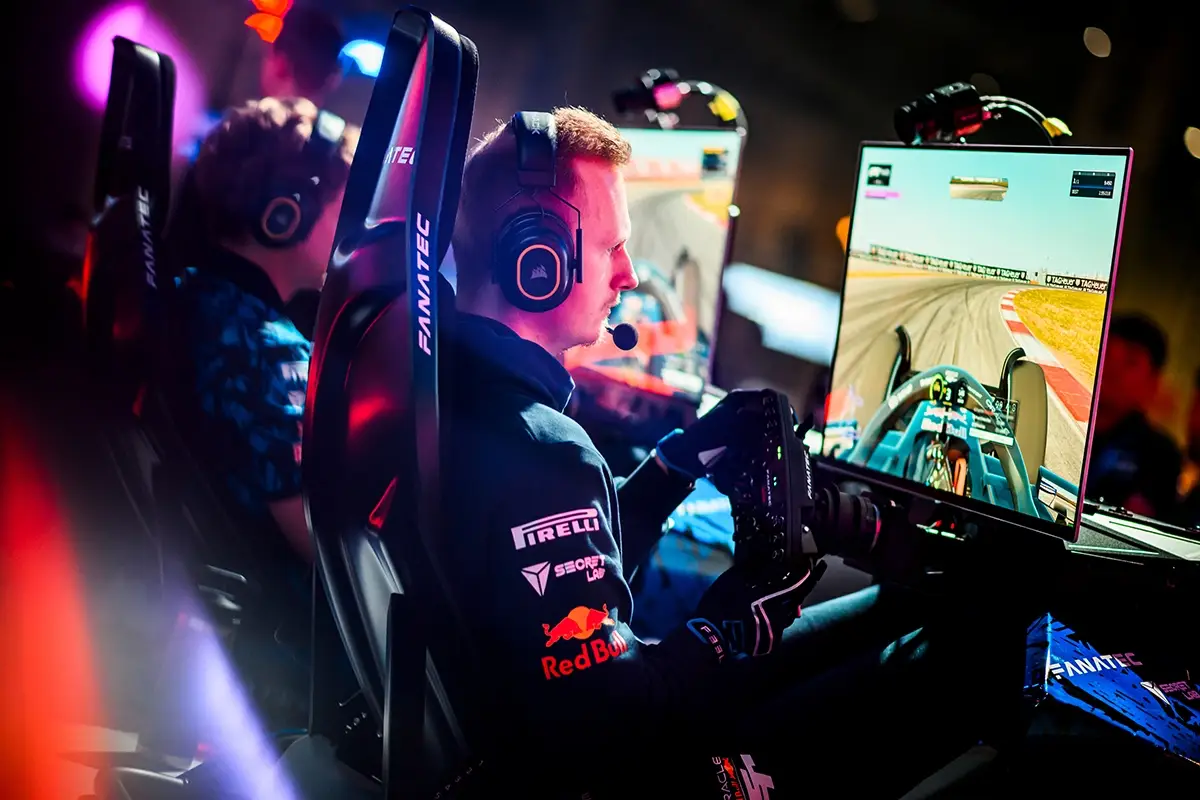
3. The Simulator Recreation — Red Bull at the 2021 British GP
Red Bull called on simulator driver Alex Albon to recreate the lines through Copse corner using a two-year-old Red Bull car during a filming day, in order to prove that Hamilton’s line and speed in the corner was always going to cause the collision with Verstappen.
If it could prove this, the squad believed the blame would entirely rest on Hamilton’s shoulders and he would receive a harsher penalty. The stewards didn’t buy it, however, ruling that the additional information was not “a significant and relevant new element” and that the footage was “not ‘discovered’ but created for the purposes of submissions.” For more on Lewis Hamilton’s remarkable career, see our full driver profile.
4. A Team Boss Meeting’s Minutes – McLaren at the 2023 Canadian GP
While trying to appeal a penalty that Lando Norris was hit with in the 2023 Canadian Grand Prix, McLaren submitted minutes from a meeting of team bosses to try and fight its case. Norris had been handed a five-second penalty in Montreal for driving unnecessarily slowly behind the safety car, which the stewards called “unsportsmanlike driving,” costing him a points finish.
5. The FIA’s own admission, Alpine’s Procedural Masterstroke
In one of the most inventive examples on record, Alpine’s new evidence was the FIA’s own admission that a rival team had lodged a previous challenge too late. Alpine subsequently won and Fernando Alonso’s penalty was rescinded.
The Monaco GP case echoes this approach, Alpine again used an external admission, this time FOM’s own measurement error, as the cornerstone of Gasly’s successful review.
The Golden rule: New, Significant, and Relevant
A right of review procedure requires the team in question to present significant, relevant and previously unavailable evidence that they feel would have led to a different stewards’ decision if it had been available at the time.
Research shows that due to the nature of the sport, there is certain critical evidence which can only be accessed either by stewards or teams after the end of the race, meaning stewards are sometimes taking calls based on incomplete information.
As Red Bull and McLaren now prepare their arguments for Geneva, the Monaco case looks set to shape how the sport handles penalties for years to come and the teams best equipped to mount a challenge will be those who understand that winning in the courtroom, like on the circuit, demands impeccable preparation and flawless execution.
With the 2027 regulations already reshaping the sport’s future, the last thing F1 needs is an unresolved cloud of controversy hanging over its judicial system.