
How Balance of Performance works in the NLS and the Nürburgring 24 Hours
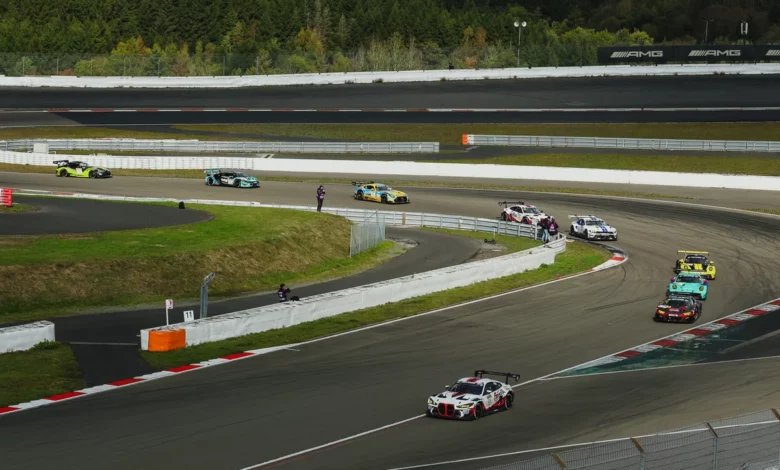
On the Nordschleife, Balance of Performance decides more than any single driver. Up to nine GT3 brands race in SP9, with front, mid and rear engines ranging from a three-litre turbo to a 6.3-litre engine, and the organisers adjust each model so that they can fight for the same win. Here is how that works in the NLS and at the Nürburgring 24 Hours, and which classes besides GT3 are balanced.
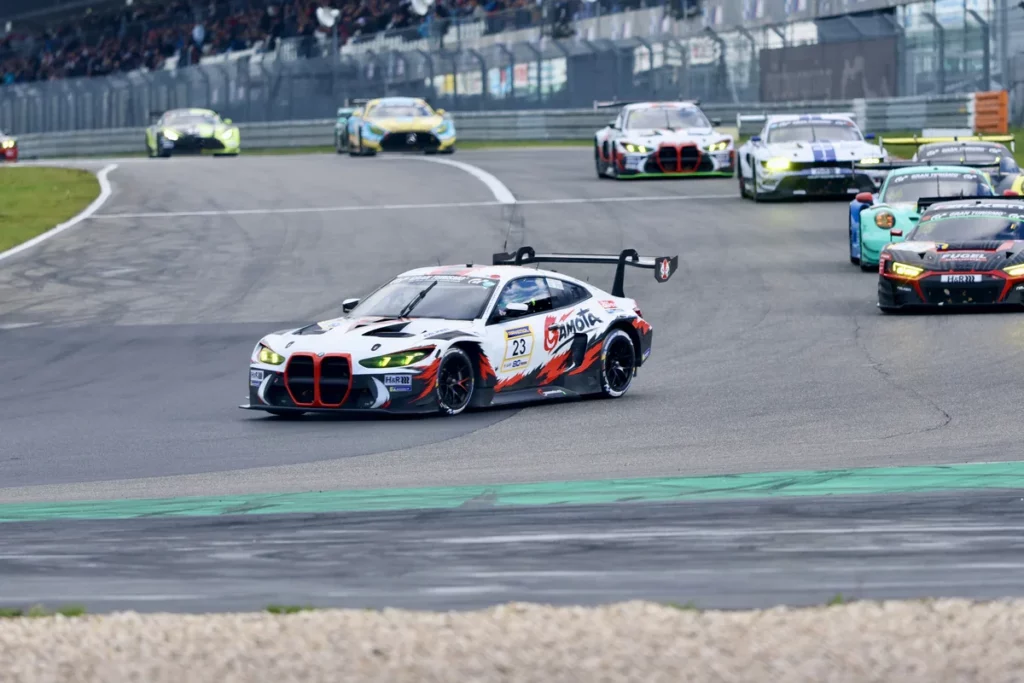
Who sets the BoP at the Nürburgring?
For the GT3 class SP9, the technical committee of ADAC Nordrhein sets the BoP. ADAC Nordrhein organises the 24 Hours and has authority over the SP regulations that the NLS also uses. According to the Nürburgring, the work is done by a technical commission of four people, and the race director can change parameters during an event, in consultation with the stewards if needed. This is a different system from GT World Challenge, where SRO sets the BoP, and from the WEC, where the FIA and ACO do it together.
What can the organisers change?
The published SP9 tables list, for every car model:
- minimum vehicle weight
- air restrictor diameter or minimum and maximum boost pressure, depending on the engine
- rear wing angle
- rake (the difference in ride height between front and rear)
- camber, front and rear, which can differ per tyre manufacturer
- fuel tank capacity
Weight and boost or restrictor are the main levers, and they are also the parameters most often changed at the last minute, because teams can implement them fastest. The tank size is set so that the GT3 cars can run eight laps in a row. The Nürburgring also names aerodynamic aids, ground clearance, minimum ride height, pit-stop time and stint length as parameters that can be adjusted. Unlike Le Mans, the NLS does not use torque sensors, to keep costs down.
How often does the BoP change?
In the NLS the BoP can change from race to race, and updates are published per event: NLS1, NLS2 and so on. The 24 Hours gets its own BoP updates, for the 24h Qualifiers and for the race itself, and the organiser can still adjust it until the race starts.
How do they deal with sandbagging?
Manufacturers have every reason not to show their full pace before the 24 Hours, because a fast car in the NLS can mean a worse BoP in May. Race director Walter Hornung describes the work of the technical commission as a game of cat and mouse with the manufacturers. Before each update, the commission collects the data from the most recent NLS race and compares it with what it already has on every model.
Which classes besides GT3 are balanced?
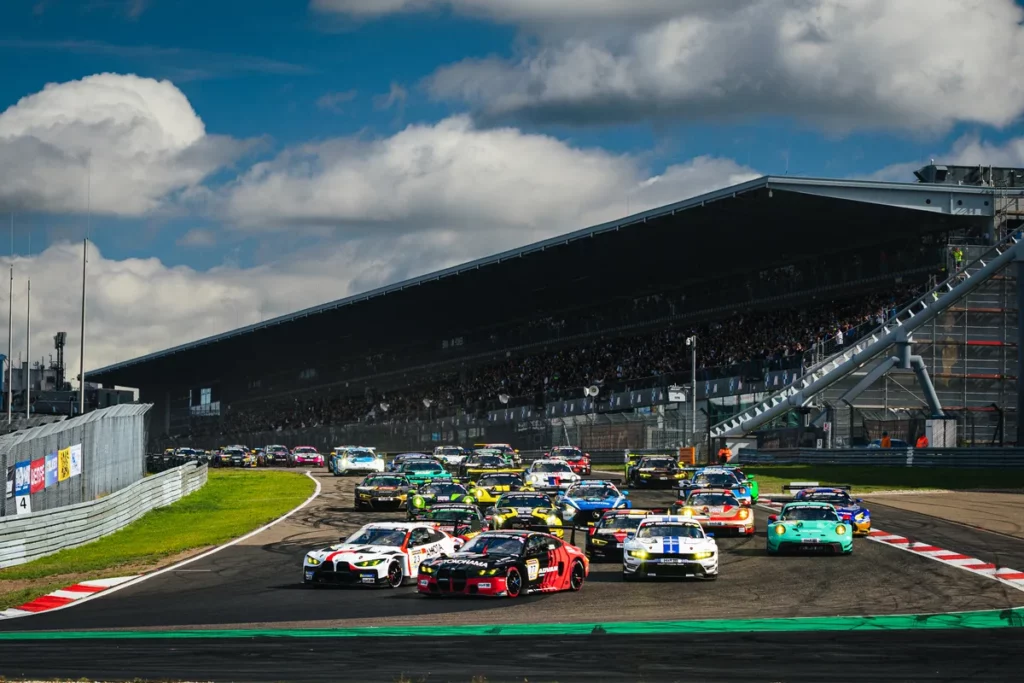
SP9 is the class everyone watches, but it is not the only one with a performance classification. Our guide to the NLS class system explains all the codes.
| Class | What runs in it | How performance is set |
|---|---|---|
| SP9 | GT3 cars (Pro, Pro-Am, Am) | BoP by the ADAC Nordrhein technical committee |
| SP-X | One-off builds, such as the BMW M3 Touring 24h | Included in the published BoP |
| SP-Pro | Prototypes and restrictor race cars | Included in the published BoP updates |
| AT1 to AT3 | Alternative fuel and drivetrains | Cars are allocated via the BoP; the Audi R8 LMS GT3 Evo II is classified in both SP9 and AT1, with a 120-litre AT tank |
| TCR | FIA-homologated touring cars | Own BoP section in the NLS technical regulations |
| V and VT classes | Production-based cars | Classification lists (Einstufungslisten) with power, weight and pit-stop time adjustments, which VLN Technik can change at any point of an event |
Do the tyres play a part?
Yes, because several tyre makers compete in SP9. Each car model may use four tyre specifications for the NLS and the 24 Hours, including the Qualifiers, and switching specification during an event is not allowed. Manufacturers deposit reference tyres with ADAC Nordrhein for chemical analysis, a system introduced after the tyre war that ran until 2017. Camber settings in the BoP can therefore differ per tyre manufacturer.
Does it work?
At the second NLS race of 2026, six brands finished in the top ten. At the 24 Hours several manufacturers usually remain within a lap of each other after around 4,000 kilometres, according to the Nürburgring. For how BoP works in other championships, read our general BoP explainer and Balance of Performance in GT World Challenge.
More guides: NLS explained · what is the NLS · how NLS points work · 24h Nürburgring 2027
Sources: Nürburgring, 9 April 2026; Motorsport.com, BoP NLS 2026; NLS technical regulations 2026.