Audi Shocks Rivals With Surprise Engine Upgrade at Barcelona GP
Audi’s unexpected Barcelona engine boost puts rivals on high alert


Audi Catches the Paddock Off Guard in Barcelona
Few expected Audi’s ADUO-eligible engine upgrade to arrive quite so soon, but that is exactly what happened at the Circuit de Barcelona-Catalunya. Audi introduced a new Formula 1 power unit as early as the Barcelona Grand Prix, after the FIA communicated the results of the first ADUO period. This significant moment marks the introduction of the Audi F1 engine upgrade Barcelona ADUO, leaving rivals stunned and underlining just how prepared the Ingolstadt manufacturer had been behind the scenes.
Audi’s swift response has caught many observers off-guard and underlines how long the project had been under way behind the scenes in Ingolstadt and Hinwil, as the revised engines were effectively ready, waiting for regulatory approval, before being delivered directly to the Barcelona paddock. And this is far from a one-off fix: this upgrade is understood to be only the first step within a broad development programme, as Audi keeps refining its package throughout the campaign.
What Is ADUO — And Why Did Audi Qualify?
Understanding the Audi F1 Engine Upgrade Barcelona ADUO
The Additional Development and Upgrade Opportunities mechanism allows engine providers who lack power to introduce extra updates, and the first review took place following the Canadian GP, with the FIA releasing the results to the manufacturers in Monaco after establishing every power unit’s level.
Mercedes are deemed to be more than two per cent behind Red Bull’s power unit, so will be given one engine upgrade this year, while Ferrari, Audi and Honda will be given two upgrades as they are deemed to be more than four per cent adrift of Red Bull. As the benchmark engine, Red Bull, who have made their own power unit for the first time in F1, will not receive an engine upgrade.
Driver Gabriel Bortoleto had already been candid about his team’s weakness heading into the season. Bortoleto admitted Audi lacks power, while a 15km demo run at Neuburg fuelled speculation the manufacturer was already eyeing an ADUO-eligible engine upgrade. That speculation has now been confirmed in the most emphatic fashion.
The ADUO system also comes with financial muscle. As every F1 PUM works under cost cap rules, changes to the cost cap have been factored in to reflect the awarding of ADUO, with Mercedes HPP set to receive a $3 million USD boost, whilst Audi, Ferrari, and Honda get up to $4.65 million.
The System Already Under Fire
Audi’s lightning-fast deployment has intensified an already heated debate about the ADUO mechanism’s fitness for purpose. As we covered in our analysis of F1’s ADUO Engine Catch-Up Plan Branded ‘Absurd’ and Open to Manipulation, The Race has been scathing about the system’s shortcomings. F1’s engine catch-up plan has ended up too simplistic and open to manipulation, with the ADUO process reducing participants to unseemly squabbles about who has done a worse job with their V6 engines.
Off-track politics are an intrinsic part of F1, but it is a mistake to create an overly simplistic mechanism that can potentially be manipulated, inspires little confidence inside the paddock, and is barely understood outside it.
Audi team principal Mattia Binotto offered a thoughtful alternative during the Barcelona weekend. While expressing “no doubt” that the FIA findings were correct after Audi was handed an ADUO allowance, Binotto questioned whether basing the system on kilowatts was the right approach. He suggested that a standings-based system, similar to the chassis concessions framework, could better serve the sport’s convergence goals.
Red Bull’s Uncomfortable Crown
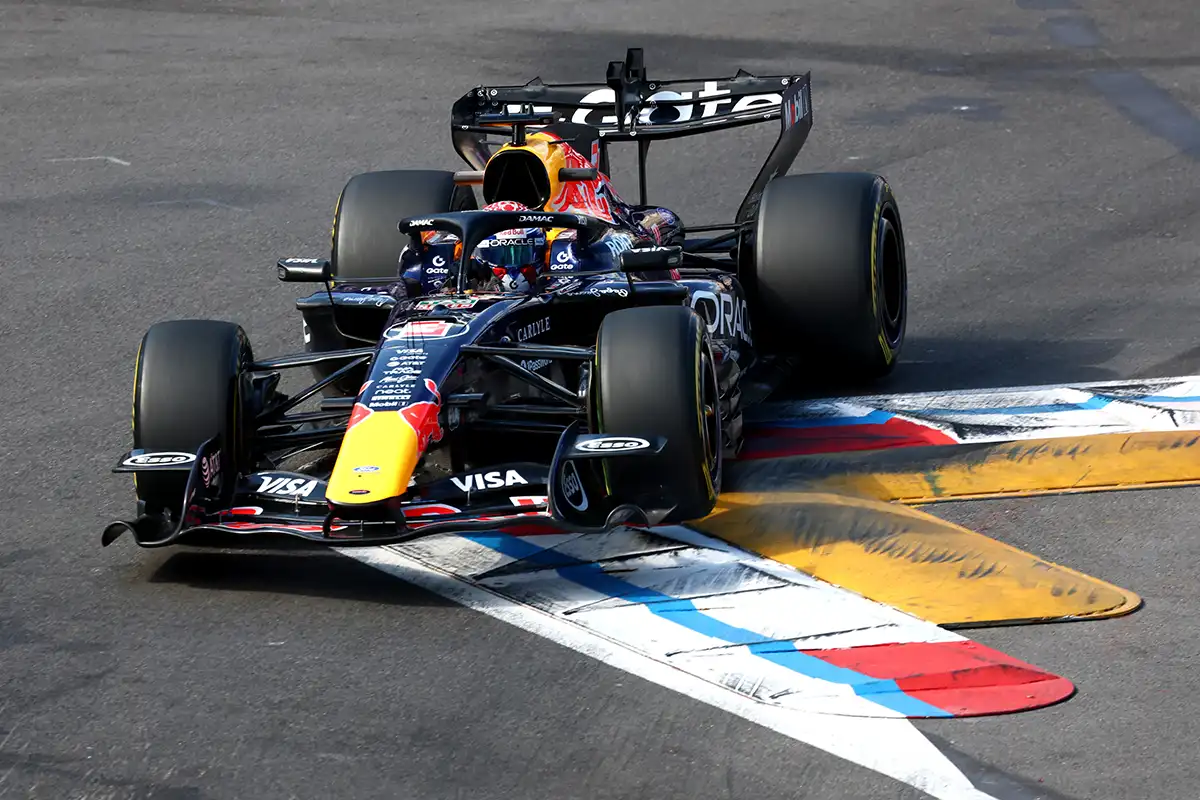
Concerns raised by Red Bull Powertrains — which the FIA identified as the benchmark for internal combustion engines, prompted the governing body to review the process, though the results remained valid pending any further communication from the federation. The situation is an ironic one for Red Bull Racing, whose overall package has not translated the ICE benchmark rating into on-track dominance.
Further ADUO review windows are on the horizon. Two more ADUO reviews will take place later this year, which will impact the 2027 season, after the Hungarian Grand Prix at the end of July and the Mexico City Grand Prix at the start of November. Meanwhile, the FIA has formally ratified 2027 F1 power unit rule changes, adding further long-term context to these short-term engine battles.
Looking Ahead: Austria and Beyond
With the upgraded power unit now in race trim, all eyes will be on how Audi performs at the Red Bull Ring this weekend. The high-altitude Styrian circuit presents unique challenges for turbocharged hybrid units, and the team’s new engine spec will face its first real competitive examination in those conditions. Alongside Cadillac’s substantial upgrade package also heading to Austria, the midfield is set to be transformed and Audi’s bold, pre-emptive strike with its ADUO upgrade could prove to be one of the defining strategic moves of the 2026 season.