McLaren and Red Bull challenge FIA after Gasly penalty reversal
McLaren Red Bull formally lodged an appeal FIA following the controversial Monaco decision


McLaren Red Bull formally lodged an appeal FIA after the governing body overturned Pierre Gasly’s two time penalties from the Monaco Grand Prix. Both teams used the full 96‑hour window to formalize their appeal, highlighting how complex and delicate this case is, yet they still chose to take the step, underlining the seriousness of the situation.
The appeal process in Formula 1 often reveals the intricate relationship between teams and the governing body. For instance, previous appeals have involved notable figures and teams, showcasing how crucial FIA decisions are in shaping race outcomes. This appeal, lodged by McLaren Red Bull, is no exception, as it seeks to highlight the potential ramifications of the FIA’s ruling.
Why McLaren Red Bull formally lodged an appeal FIA
The FIA’s decision to reverse Pierre Gasly’s two five‑second penalties for speeding in the pitlane has triggered a significant reaction across the paddock. McLaren Red Bull formally lodged an appeal FIA because they believe the ruling is inconsistent with the Sporting Regulations and undermines competitive fairness.
In motorsport, the battle for competitive integrity is ongoing. The FIA is responsible for ensuring that all teams adhere to the rules, which are designed to create a fair playing field. The McLaren Red Bull appeal raises significant questions about whether the enforcement of these rules was consistent in Gasly’s case. The decision to overturn penalties adds a layer of complexity to an already competitive environment, leading to debates among team principals and fans alike.
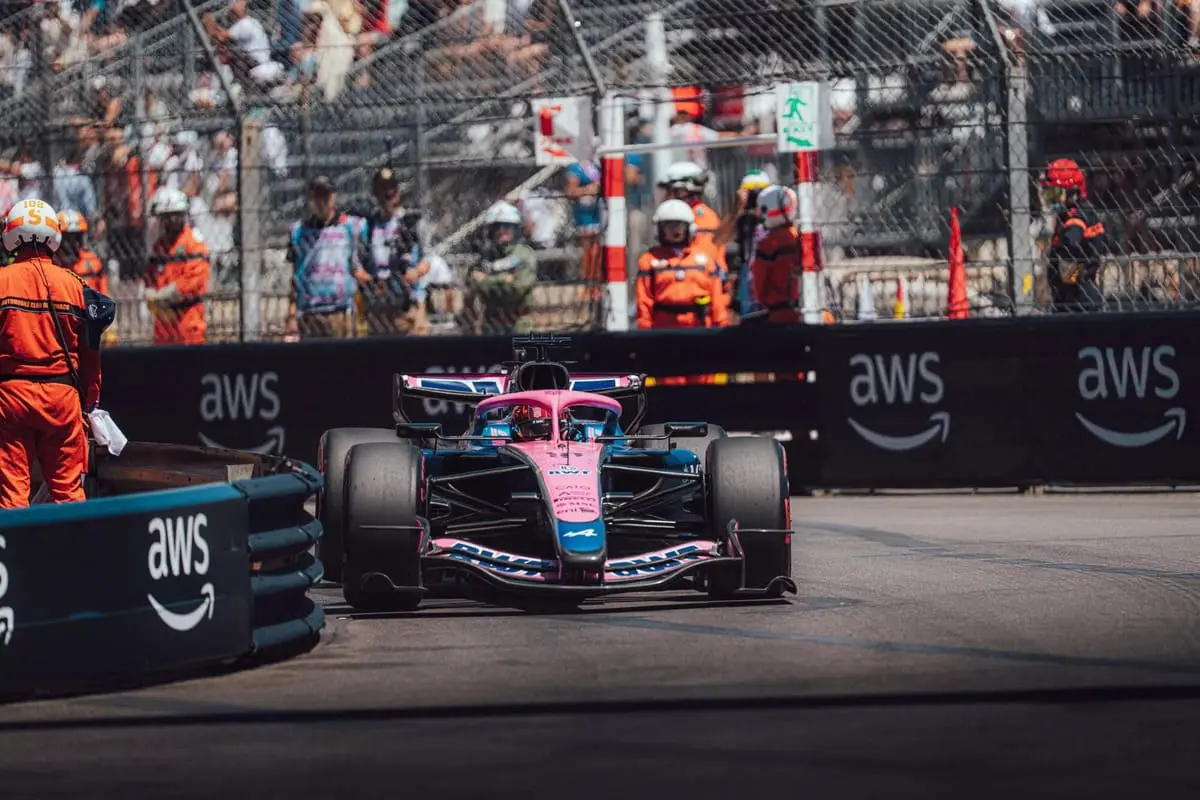
Gasly originally received two separate five‑second penalties during the Monaco Grand Prix. Because he could not serve them during the race, they were added to his final time. Alpine later submitted a Right of Review, presenting new evidence that led the FIA to overturn both penalties, restoring Gasly’s podium finish.
Drivers and teams rely on predictable enforcement of regulations. When Gasly’s penalties were overturned, it prompted discussions about the implications for future races. For example, if a driver receives a penalty but is unable to serve it, what precedent does that set? The uncertainty regarding how penalties are handled can lead to tensions within the paddock, as teams strive for clarity to maintain competitive integrity.
For McLaren and Red Bull, the issue is not Gasly himself, but the interpretation of the rules. They argue that drivers who did serve their penalties during the race are now disadvantaged, creating an uneven playing field. The fact that both teams took the entire 96 hours to prepare their appeal shows how carefully the case was evaluated internally before taking action.
The concept of fairness in racing transcends individual penalties; it affects championship standings and sponsorship opportunities. Consider the impact on drivers who may have altered their strategies based on penalties that were later overturned. Teams like McLaren and Red Bull are concerned that the FIA’s decision could inadvertently reward drivers for not adhering to regulations, undermining the principles of the sport.
A rare moment of unity between two rivals
It is unusual to see McLaren and Red Bull Racing aligned on a regulatory issue, but this case has brought them together. Both teams believe the FIA’s decision sets a dangerous precedent for future races, especially regarding how pitlane penalties are applied when a driver cannot serve them during the race.
Their joint stance sends a strong message: the teams want clarity, consistency, and transparency in how the rules are enforced. They argue that the reversal of Gasly’s penalties contradicts previous interpretations and could lead to confusion in future race scenarios.
The joint statement from McLaren and Red Bull is indicative of a broader desire for reform within Formula 1. Both teams wish to collaborate with the FIA to ensure that regulations are not only clear but also consistently applied. This appeal is a crucial moment for these teams, as it could serve as a catalyst for change, pushing for a more transparent decision-making process in the future.
Why the case is so complex
The appeal is not simply about a single penalty. It touches on broader questions:
As the appeal unfolds, it serves as a reminder of the complex interplay between rules, interpretation, and the spirit of competition. Each question raised has the potential to reshape the regulatory landscape of Formula 1. Understanding the nuances of these regulations will be vital for all stakeholders, including drivers, teams, and fans, as they navigate future controversies.
- When should a penalty be served?
- What happens if a driver cannot serve it during the race?
- Should post‑race adjustments override in‑race fairness?
- How should new evidence be weighed in a Right of Review?
These questions explain why both teams used the full 96‑hour period before submitting their appeal. It reflects the internal debate, legal consultation, and strategic considerations behind the decision. Even though the case is difficult, McLaren and Red Bull believe it is important enough to pursue.
What happens next?
The case now moves to the FIA International Court of Appeal, where an independent panel will review the arguments. The outcome could have several consequences:
The FIA International Court of Appeal represents a critical juncture for the sport. The decisions made in this forum can influence how penalties are viewed and applied moving forward. For instance, if the appeal succeeds, it could necessitate a reevaluation of how penalties are assessed and enforced, ensuring that all teams are held to the same standards.
- A potential change to the Monaco Grand Prix classification
- Adjustments to championship points
- A new precedent for how pitlane penalties are handled
- A clearer framework for future Right of Review cases
The FIA has not yet announced a hearing date, but given the implications for the championship, the case is expected to be prioritized.
In conclusion, McLaren Red Bull formally lodged an appeal FIA not only to contest a specific penalty but to advocate for a fairer and more transparent regulatory environment in Formula 1. The outcomes of this appeal may resonate far beyond the Monaco Grand Prix, fostering a dialogue about the principles that govern the sport and ensuring that competitive integrity remains at the forefront of Formula 1 racing.