F1 2026 Active Aero explained: How it Works
The system was sold as a clean solution. Seven months in, it is anything but.


- Drivers split over the new F1 2026 active aero system, calling it everything from dangerous to lazy.
- Pirelli warns of tyre‑failure risks if active aero gets stuck in high‑downforce mode at 300 km/h.
- Active aero deployment and circuit‑specific calibration now decide who wins and who struggles.
F1 2026 Active Aero: The rule change
Carlos Sainz called it “dangerous.” Lando Norris called the cars “the worst.” And now there is a live safety debate about what happens when the F1 2026 active aero system fails at 300 km/h. The F1 2026 active aero regulation was sold as a neat solution to an energy problem. Seven months into the season, it is something far messier than that.
What Is F1 2026 Active Aero?
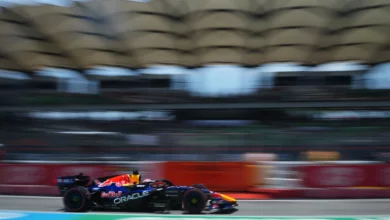
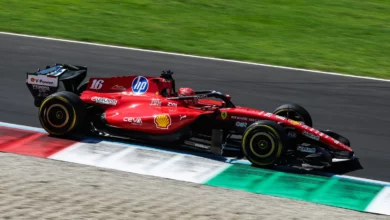
For the first time in Formula 1 history, the 2026 cars carry wings that physically change shape while the car is moving at racing speed. This system, known as active aerodynamics, replaces the DRS that defined overtaking in the sport since 2011. That is a significant structural shift, not a cosmetic tweak.
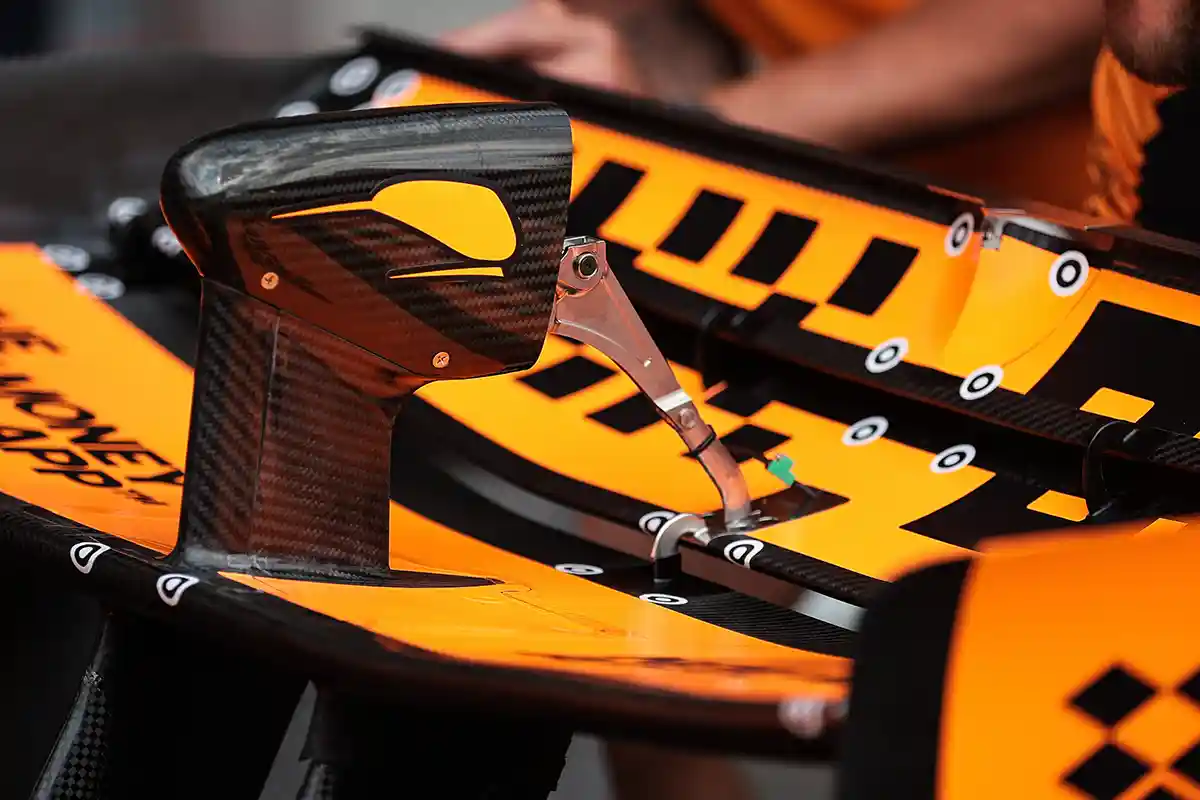
The system switches between X‑Mode, which is low drag for high speed on straights, and Z‑Mode, which delivers high downforce and grip through corners. The transitions are controlled by a combination of speed thresholds, FIA‑defined safety limits and ECU logic, rather than by speed sensors alone.
Teams configure the exact activation points and rotation angles as part of their setup work, but the switch is not always perfectly predictable. On certain circuits, cars can momentarily hesitate or switch later than intended, creating instability or unexpected balance changes. This circuit‑specific behaviour has become one of the biggest engineering challenges of the 2026 season.
Active aero on both the front and rear wings allows for drag to be reduced by 55%, significantly improving efficiency. But that reduction in drag has also come at the cost of downforce, with a predicted 30% reduction according to the FIA, which in turn reduces cornering speeds.
Why Active Aero Exists at All
While the power derived from the ICE element drops from 550-560kW to 400kW, the battery element increases massively from 120kW to 350kW, an almost 300% increase in electric power. That creates a car that can run out of electrical energy on a long straight. Active aero is the engineering workaround: the longer the wings remain open, the lower the energy consumption. This principle underlies the FIA’s decision to make active aerodynamics a constant feature in the 2026 regulations.
There is also a wet-weather mode most coverage ignores. Formula 1 has introduced a secondary version called partial active aero, expected to be used mainly in wet weather conditions. In partial active aero mode, only the front wing switches into Straight Mode while the rear wing remains in its higher-downforce cornering configuration.
The Safety Problem Nobody Wants to Discuss
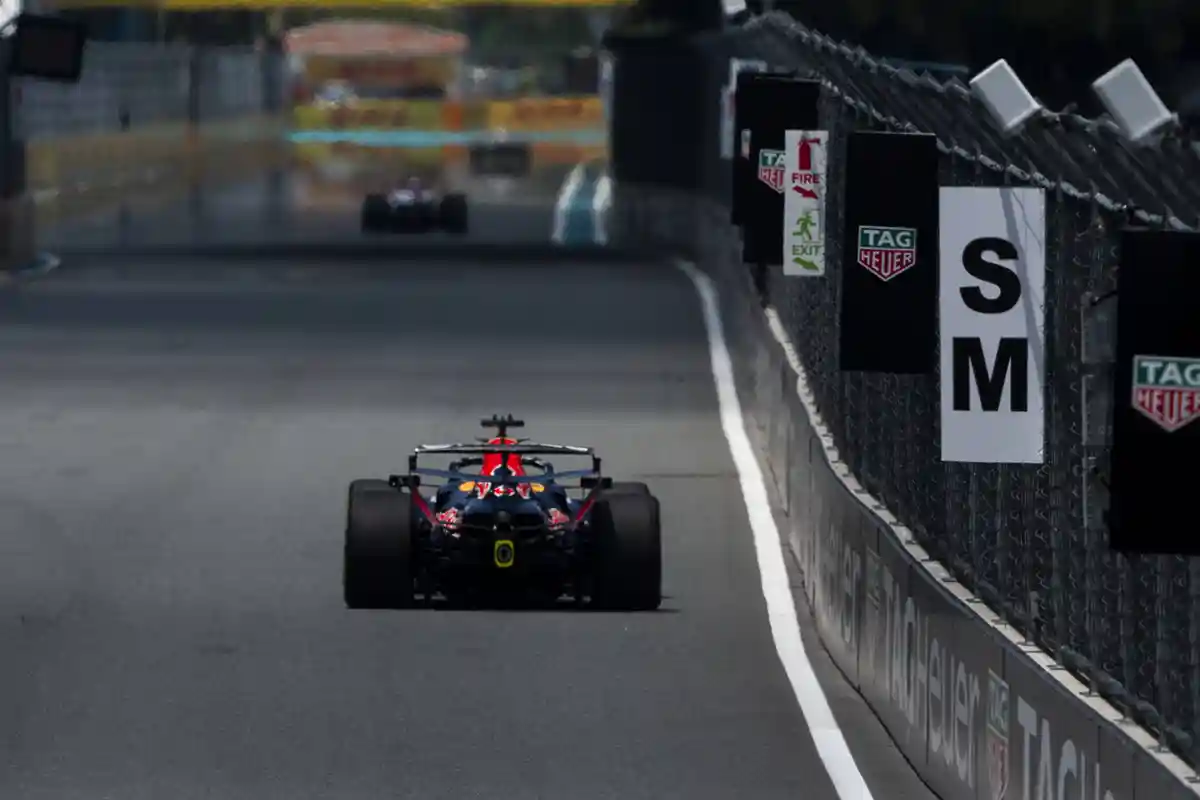
This is the detail that should concern everyone. There remains a serious concern for Pirelli should the active aerodynamics fail during a race. Were a car to be stuck in high-downforce mode along a straight, the load on the tyres at top speed would be far greater than Pirelli believes they could withstand, and the rubber would eventually fail.
Pirelli proposed a solution: a black and orange flag after five laps of active aero failure. The idea was viewed as workable by the FIA but required a super majority of team support to be approved. Such backing was not forthcoming, with teams feeling the change was unnecessary.
Some teams did not want to alter tyre pressures mid-season because it could have impacted their competitive fortunes. Others did not want to risk a good result being ruined by an active aero failure that could potentially be battled through to still score points. Teams voted their wallets, not the safety argument.
The failure to get support means that the current high pressures will remain in play until the end of the year, and most likely through to 2027 as well.
Drivers Are Split, and the Gap Is Telling
Carlos Sainz called the new active aerodynamics “dangerous,” Esteban Ocon described the racing as “painful,” and Sergio Perez called it “a lot less fun.” But this negativity is not universal among those inside the cockpits. Oscar Piastri said the front and rear wings opening together makes the car feel a lot more lazy.
That split matters. The drivers struggling most tend to be in cars where the energy management is not yet working. The system does not fix a bad power unit concept; it only masks it temporarily.
James Vowles of Williams has at least been honest about the bigger picture. One proposal under consideration involves revising how active aerodynamics are deployed during a lap, potentially extending their use. Teams, the FIA, and Formula 1 are exploring short- and long-term adjustments, including extending active aero use, as they tackle energy management and qualifying challenges.
Where Does This Go Next?
Teams spend significant preparation time before each race weekend calibrating the precise rotation angles for X-Mode and Z-Mode settings for that specific circuit, defining which straights qualify for activation. This circuit-by-circuit optimization of the active aerodynamic system is a new dimension of engineering work that adds to competitive differentiation between teams. The teams that solve this fastest are winning races, as McLaren’s mid-season turnaround demonstrated.
The FIA’s ongoing push for lighter, more agile cars always depended on active aero working cleanly. Right now, it is not. With the championship battle intensifying, the pressure to find a workable fix before 2027 is growing by the race weekend. Follow the latest standings and race results on our F1 2026 title race page.