Bahrain Grand Prix 2026 at Sepang: F1 returns to Malaysia after nine years
The race keeps its Bahrain name, starts at 09:00 CEST on Sunday 4 October, and is F1's first visit to Sepang since Verstappen won there in 2017

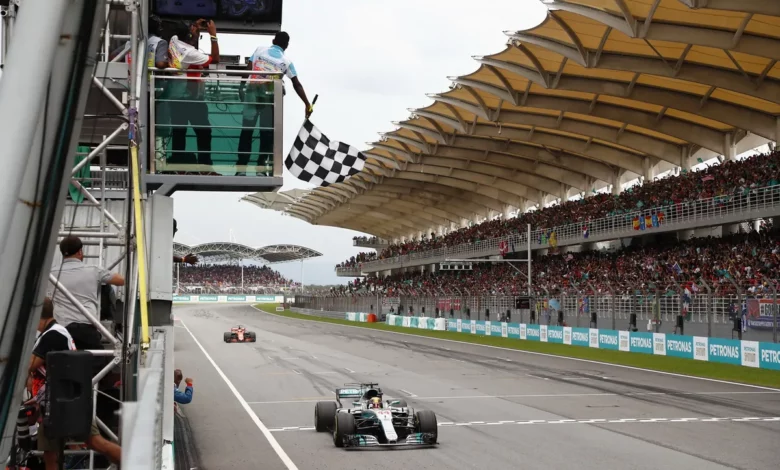
The Bahrain Grand Prix will be held more than 6,000 kilometres from Bahrain. Round 16 of the 2026 Formula 1 season runs at the Sepang International Circuit in Malaysia from 2 to 4 October, the first time F1 has raced there since Max Verstappen won in 2017.
The race was originally due at the Bahrain International Circuit on 12 April. That date was cancelled after war involving Iran broke out at the end of February, and on 26 July Formula 1 and the FIA confirmed that Sepang would host it instead. The event keeps its name, the Formula 1 Gulf Air Bahrain Grand Prix, and slots in between Baku and Singapore. The rest of the calendar did not change. See every remaining date on our F1 calendar 2026.
Lights out at 09:00 in Europe on Sunday
Kuala Lumpur is eight hours ahead of UTC, so this is an early weekend for European fans. The race starts at 15:00 local time, which is 09:00 CEST and 08:00 in the UK. Times below follow the official F1 timetable, which is subject to change.
| Session | Day | Sepang (local) | CEST | UK (BST) |
|---|---|---|---|---|
| Practice 1 | Friday 2 October | 12:30 – 13:30 | 06:30 – 07:30 | 05:30 – 06:30 |
| Practice 2 | Friday 2 October | 16:00 – 17:00 | 10:00 – 11:00 | 09:00 – 10:00 |
| Practice 3 | Saturday 3 October | 12:30 – 13:30 | 06:30 – 07:30 | 05:30 – 06:30 |
| Qualifying | Saturday 3 October | 16:00 – 17:00 | 10:00 – 11:00 | 09:00 – 10:00 |
| Race (56 laps) | Sunday 4 October | 15:00 | 09:00 | 08:00 |
This is a standard weekend without a sprint. There is no Formula 2, Formula 3 or F1 Academy on the bill either: the only support series is the local Formula Trophy Malaysia, with two races on Saturday and Sunday.
Two long straights and a hairpin at each end
Sepang opened in March 1999 and was designed by Hermann Tilke. The Grand Prix layout is 5.543 kilometres long with 15 corners, and the race distance is 56 laps, or 310.398 kilometres.
The lap is built around its two straights. The pit straight and the back straight run side by side and are joined by the tight Turn 15 hairpin, so a good exit there pays off twice. Turn 1 is a second hairpin at the end of the main straight, which makes it the obvious overtaking spot. In between is a flowing middle sector with fast direction changes through Turns 5 and 6 and the long double-apex right-hander at Turns 7 and 8.
Those straights are where the 2026 rules will show. The new cars rely much more on electrical energy, and active aerodynamics lowers drag on the straights. How teams harvest and deploy energy over a lap with two long full-throttle sections will matter more here than at Baku or Singapore. Our ERS explainer covers how that works.
The race lap record is Sebastian Vettel’s 1:34.080, set for Ferrari in 2017.
Nine-year-old data and an unchanged surface
No team has run the current cars at Sepang, and Pirelli is working from what it learned in 2017. It has chosen the middle of its range: C2 as the hard, C3 as the medium and C4 as the soft. In its compound announcement, Pirelli said the asphalt is particularly abrasive and has not been resurfaced since the last F1 race in 2017. It also said it left out the hardest compounds to keep one-stop and two-stop strategies close in race time.
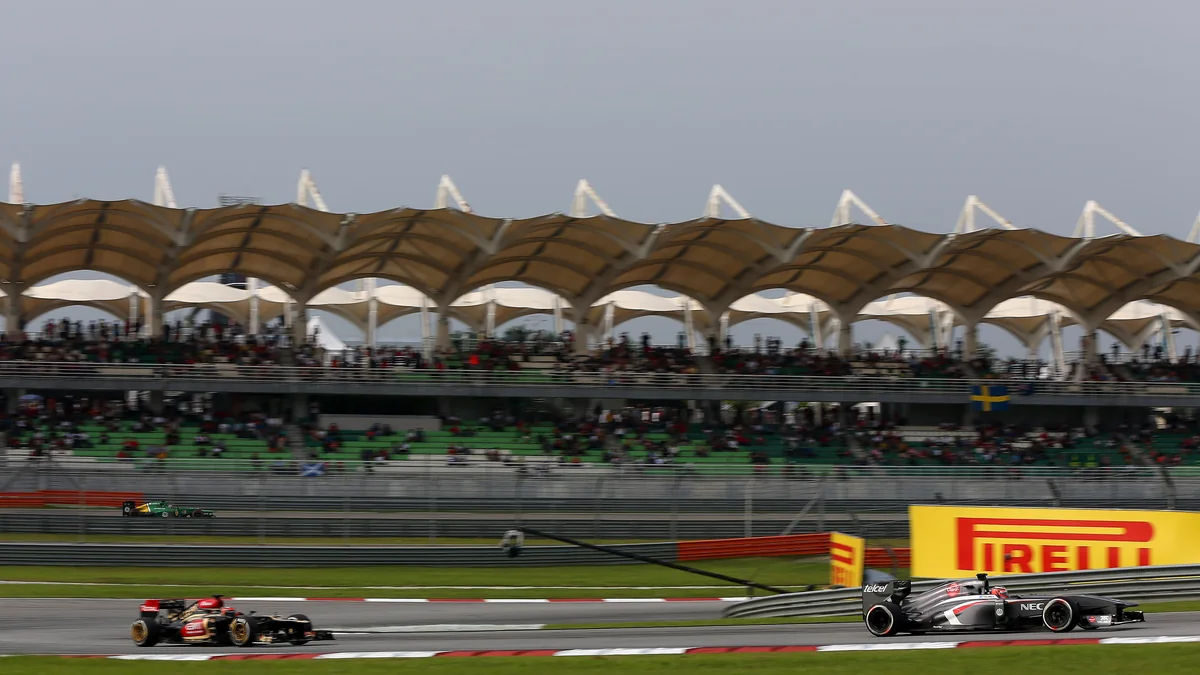
Pirelli motorsport director Dario Marrafuschi told Autosport that 2017 was the right reference because it was the first year of the wider tyres, and that the short notice meant tyres had to be flown to Malaysia instead of shipped. Expect heavy tyre degradation in the heat, and expect Friday’s long runs to be watched closely.
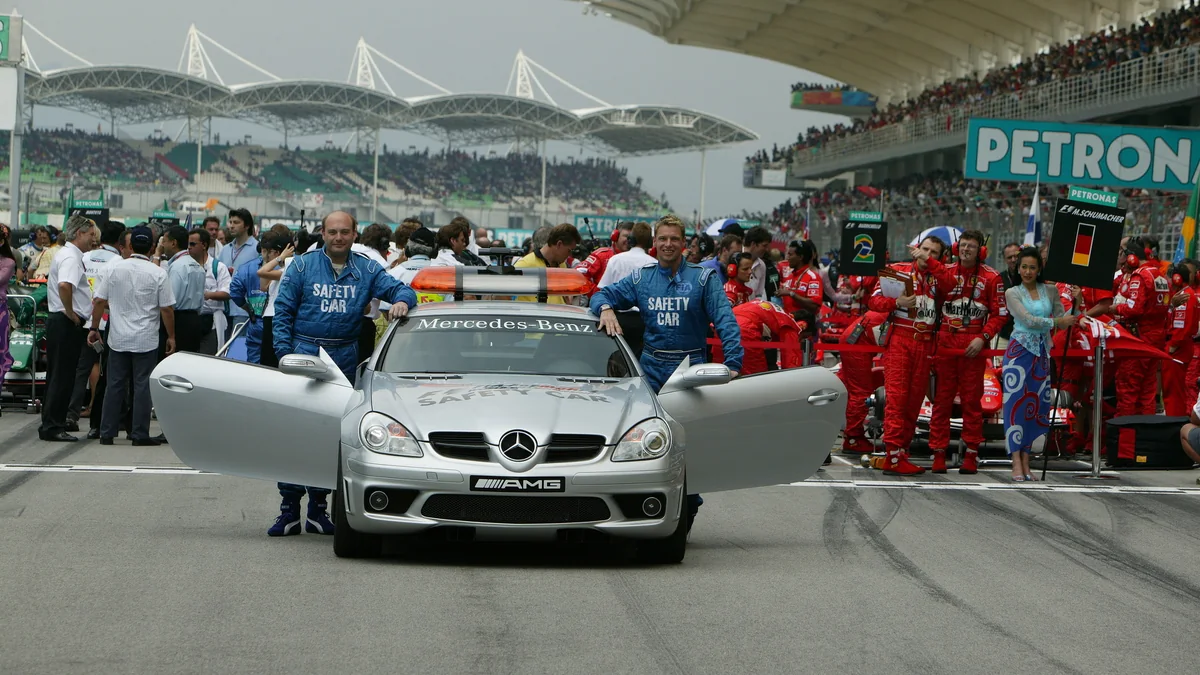
Then there is the weather. October falls in Malaysia’s inter-monsoon period, when afternoon thunderstorms are common. Sepang has a history with rain: in 2001 both Ferraris spun off at the same corner in a downpour and still finished first and second, and in 2009 a storm stopped the race after 33 laps and only half points were awarded. A safety car or red flag would not be a surprise.
Verstappen won the last race here a day after turning 20
Malaysia held 19 Formula 1 Grands Prix between 1999 and 2017 before rising hosting fees and falling ticket sales ended the contract. Sebastian Vettel won four of them, more than any other driver. Among the current grid, Fernando Alonso has the best record with three wins, in 2005, 2007 and 2012.
Lewis Hamilton won in 2014 and was leading in 2016 when his engine failed, handing the win to Daniel Ricciardo. In 2013 Sepang produced the “Multi 21” row at Red Bull, when Vettel ignored a team order and passed Mark Webber for the win.
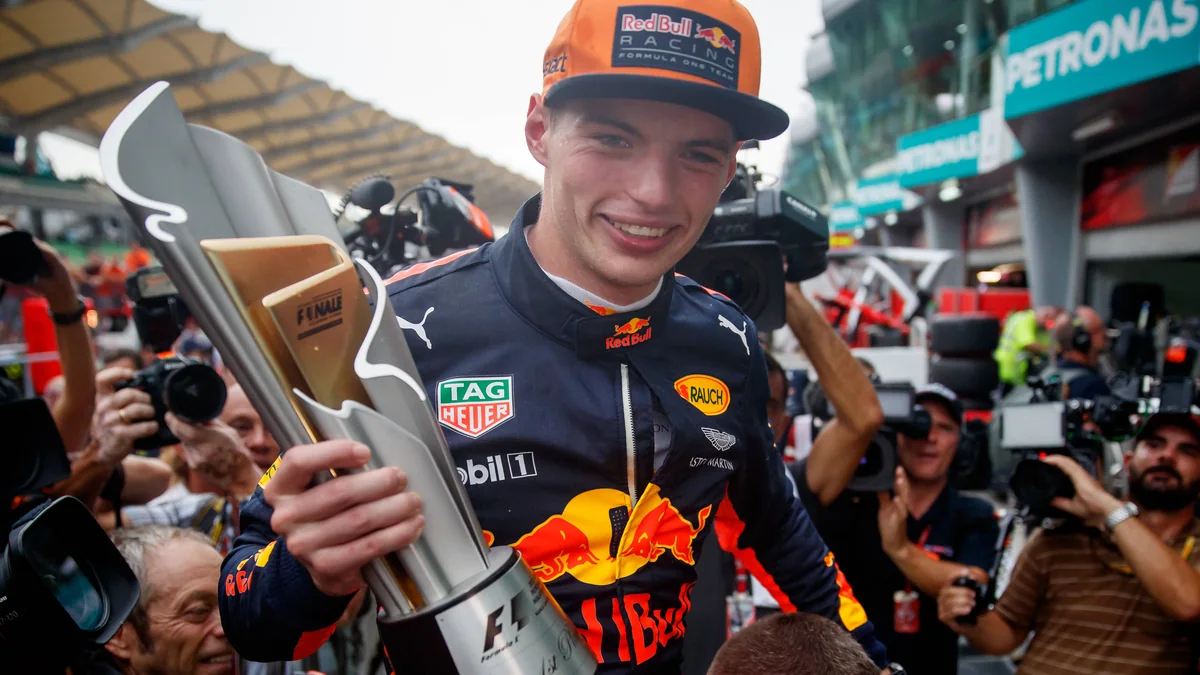
The last race, in 2017, belonged to Max Verstappen. He passed pole-sitter Hamilton on lap 4 and won his second Grand Prix one day after his 20th birthday. He turns 29 on 30 September, four days before this year’s race. That same weekend, Pierre Gasly made his F1 debut for Toro Rosso.
Antonelli arrives 66 points clear at a track he has never raced
Kimi Antonelli leads the championship on 302 points after Baku, 66 ahead of his Mercedes teammate George Russell, who won in Azerbaijan. Hamilton is third on 199. Neither Mercedes driver has started an F1 race at Sepang, and neither have Charles Leclerc, Lando Norris or Oscar Piastri. With eight Grands Prix left, Antonelli cannot clinch the title in Malaysia. The full picture is in our title permutations and the F1 standings 2026.
Red Bull comes in on a high after Verstappen’s charge from eighth to second and Isack Hadjar’s third place in Baku, as the Azerbaijan GP results show. At Alpine, Franco Colapinto starts with a five-place grid penalty for causing the restart collision in Baku that also took out Gasly and Norris.
Our hunch: experience from 2017 counts for less than it looks
Alonso, Hamilton and Verstappen know every bump of this track, and the surface has not changed. But the cars have changed completely, and nobody has data on how a 2026 car uses its battery over Sepang’s two straights. That puts the engineers’ simulator work ahead of the drivers’ memories. What could decide the weekend is the weather: a 15:00 start in October is right in the window for a tropical storm, and one well-timed call on tyres could matter more than anything learned in 2017. Russell needs races like that to take points back.
Who wins F1’s return to Sepang: Antonelli, Russell, or one of the drivers who raced here before 2017? Tell us in the comments.
Singapore follows one week later
After Sepang the paddock moves on to Singapore for round 17 on 11 October. Every session of the Malaysian weekend will be covered on the RNT live blog. Catch up on Baku in our Azerbaijan GP race report, and read how the qualifying format works before Saturday.