F1 Driver seat explained: What makes it so special?
The F1 driver seat is one of the most fascinating pieces of engineering in motorsport. It looks simple from the outside. But the moment you dig into how it is made, how it positions the driver, and what it does during a crash, it becomes clear this is far from an ordinary seat. Let’s break it all down.
Not just a seat. It is a Custom Body Mould
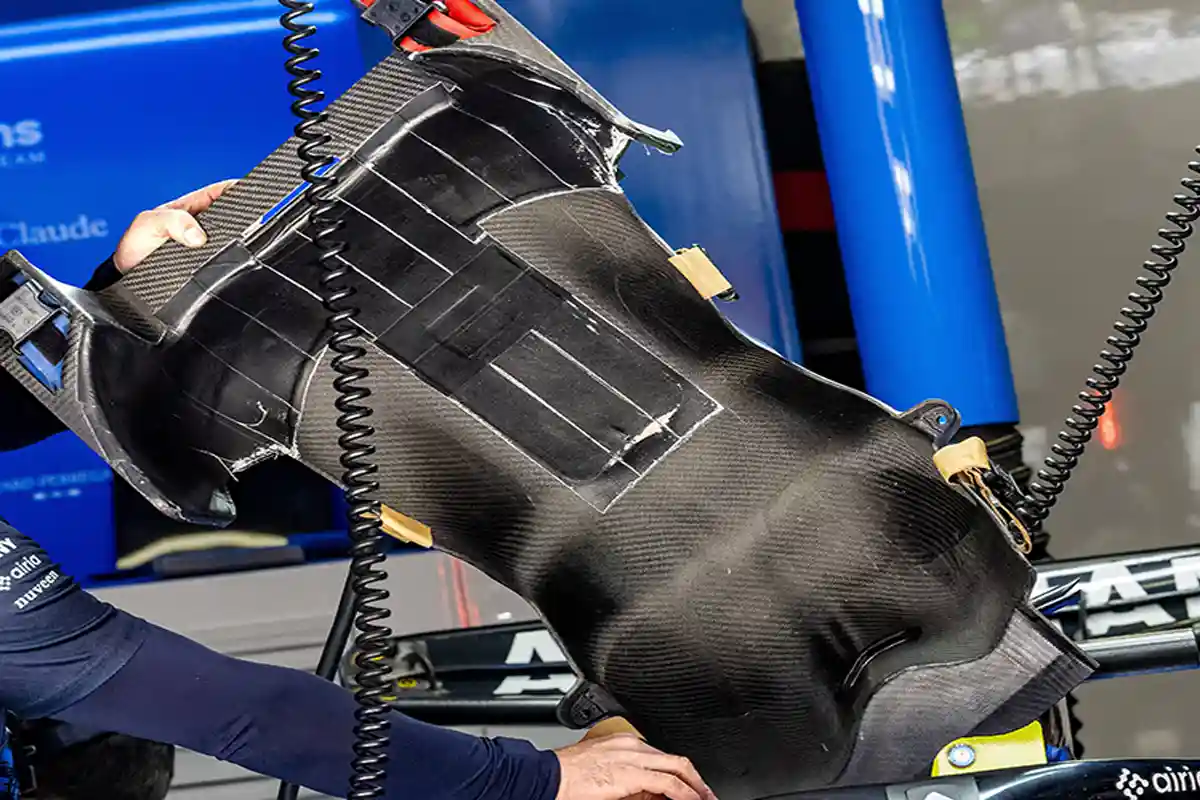
Each cockpit is specifically fitted to individual drivers, with components like the carbon fibre seat moulded to their exact body measurements during extensive fitting sessions. This is not a standard part you order from a catalogue. The driver sits on plastic bags filled with expanding foam which exactly fits the contours of their body and the internal shape of the tub. After that, electronic scans create a digital model of the seat.
To give the driver maximum comfort in the small cockpit and help them withstand the forces in such a car, each seat is made specifically for a driver. During the pre-season, each driver takes part in a seat-fitting session at the factory of their team.
This is not about comfort. It is about creating a perfect, glove-like fit that holds them rigidly in place. This connection allows the driver to feel every vibration and shift in the car’s balance, turning them into a human sensor. That sensitivity is priceless. Engineers need the driver to report exactly what the car is doing at 300km/h.
Why Do F1 Drivers Sit So Far Back?
If you have ever watched a race and wondered why the drivers look like they are almost lying down, there is a clear reason. The modern F1 driver sits in a near-reclined position, with their feet elevated above their hips. This posture not only reduces the frontal area of the driver, but also ensures a lower centre of gravity, which ultimately improves aerodynamics and handling.
Today’s regulations are much more prescriptive about driver positioning. For safety, a driver’s feet must be at least 300mm behind the front bulkhead and behind the front wheel centre line. This protects the feet in a frontal crash. It is a key FIA safety rule that all teams must follow.
This matters hugely as we head into the current season. The new 2026 cars are smaller and lighter. The 2026 F1 cars are roughly 30kg lighter, with the minimum weight cut from 800kg to 768kg. The wheelbase has been reduced by 20cm and the car width by 10cm. Smaller cars mean tighter cockpits, and teams are now having to re-examine how they package the driver inside. Check out our full breakdown of energy management at Silverstone to see how cockpit packaging is affecting 2026 performance.
The Safety Systems Around the Seat
The F1 driver seat does not work alone. It is the centre of a web of safety systems.
- The Halo is a prominent titanium ring above the cockpit. It can withstand forces equivalent to the weight of a London double-decker bus and has been credited with preventing serious head injuries on numerous occasions since its introduction in 2018.
- The HANS Device is a carbon-fibre collar that sits on the driver’s shoulders, connected to the helmet with tethers. In a frontal impact, it prevents the driver’s head from whipping forward, drastically reducing the risk of severe neck and skull base injuries.
- Each seat includes a six-point harness system that secures the driver during high-speed manoeuvres and crash situations. The harness distributes crash forces across the chest and pelvis.
The 2026 regulations have also strengthened the structure surrounding the driver. The roll hoop must now withstand up to 20G instead of 16G, improving cockpit protection. Similarly, the front nose uses a two-stage impact structure to reduce the risk of secondary impacts and nose detachment.
A New Challenge for 2026: The Driver as Energy Manager
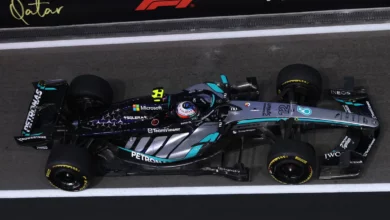
The cockpit experience in 2026 is more demanding than ever before. From this compact command centre, drivers access real-time telemetry data, adjust car settings through the steering wheel controls, and maintain physical control through precisely positioned pedals and seating arrangements designed for the extreme G-forces experienced during racing.
On top of that, most of the time the Recharge will be automated and controlled by the car’s ECU, but the only Recharge mode the driver will have direct control of will be lift-off regeneration, whereby if the driver lifts off the throttle pedal, they can Recharge. This adds a whole new layer of decision-making from the seat.
As the 2026 regulations promise shorter, lighter cars, driver positioning will again become a crucial area of development. Teams will have new freedom to experiment with cockpit layouts, potentially finding performance advantages through improved ergonomics.
Teams like Mercedes AMG F1 have historically invested heavily in cockpit optimisation. And with the Silverstone circuit testing the limits of energy deployment right now, the way a driver sits, feels, and reacts from their seat has never mattered more.
What Comes Next for the F1 Driver Seat?
The seat may be the most underrated component in Formula 1. But in 2026, with smaller cars, tighter cockpits, and new energy management demands, it is firmly back in the spotlight. Expect teams to push the limits of ergonomics even further as the season develops. The driver who feels most at home in that carbon shell may just have the edge.
The RNT Weekly newsletter
Race weekend times, results and our best stories in your inbox. Free, and you can unsubscribe at any time.