How Hamilton won and why rivals fell apart
Inside the performance shift that powered Hamilton’s Ferrari breakthrough and exposed Mercedes, McLaren and Red Bull weaknesses in Barcelona.


- Hamilton’s Ferrari breakthrough rooted in self‑doubt, change and major upgrades
- Vasseur embraced Hamilton’s feedback to reshape Ferrari’s engineering culture
- Ferrari’s new floor and aero package delivered a decisive performance jump
- Mercedes exposed by tyre struggles and another costly reliability failure
- Antonelli’s shock retirement reshaped the race and the championship picture
- McLaren lacked consistency despite Norris inheriting a podium
- Red Bull still losing time everywhere despite visible progress
- Aston Martin hit rock bottom with pace and reliability issues
- Alpine capitalised again with a smart, opportunistic double‑points finish
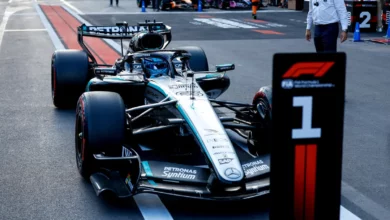
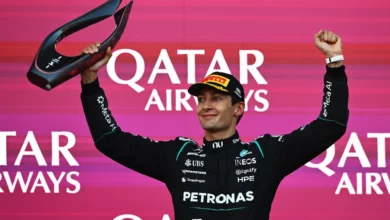
A Hamilton Scuderia Ferrari performance analysis begins not with his Barcelona victory, but with the difficult journey that led him there. When Lewis Hamilton left Mercedes for Ferrari last season, expectations were sky‑high. Instead, he struggled. The car didn’t suit him, the engineering culture was unfamiliar, and the results were far below what a seven‑time World Champion expected. Behind the scenes, Hamilton admitted he doubted himself at times. However, it was clear that this journey was crucial in understanding how Hamilton won and why rivals fell apart, as well as the larger context of the competition. This analysis will further explore how Hamilton won and why rivals fell apart.
But he also saw something else: Ferrari could be better and he believed he could help make it better. Drawing on his Mercedes background, Hamilton identified structural weaknesses, inefficiencies and operational habits that held Ferrari back. He didn’t stay quiet. He pushed, insisted, challenged and demanded change. Sometimes that was uncomfortable for the team, but team principal Frédéric Vasseur listened. He embraced Hamilton’s feedback, restructured processes and gave him a meaningful role in shaping the car.
In many ways, how Hamilton won can be attributed to his unparalleled determination and strategic approach during the race.
Ferrari’s upgrades: the foundation of Hamilton’s resurgence
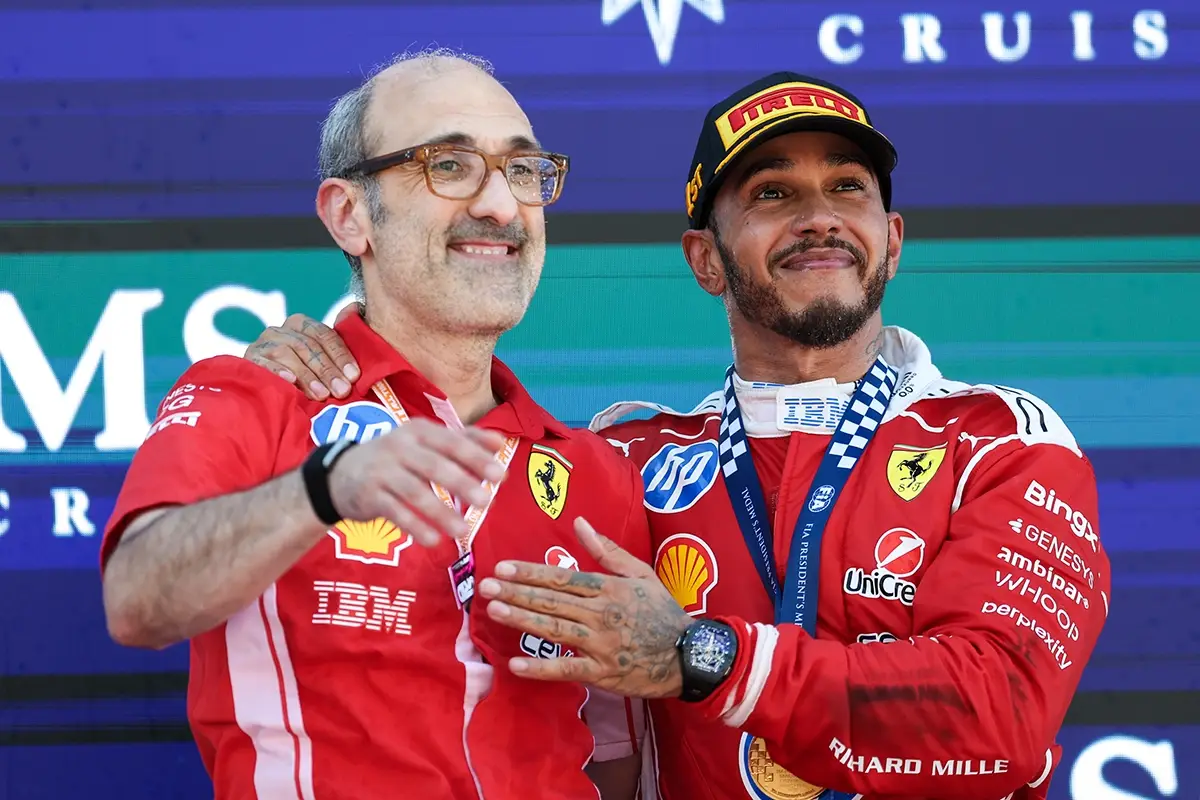
Understanding how Hamilton won and why rivals fell apart
Ferrari arrived in Barcelona with one of the most significant upgrade packages of the season: a new floor, a redesigned front wing and revised bodywork. These weren’t just incremental improvements, they represented a philosophical shift in how Ferrari develops its car, influenced in part by Hamilton’s input.
According to Vasseur, the upgrades worked exactly as intended. The SF‑26 was more stable, more predictable and significantly stronger in tyre management. Even without the Virtual Safety Car that gave Hamilton a strategic advantage, Ferrari believes they had the pace to win outright.
Mercedes boss Toto Wolff agreed, noting that even with track position, Hamilton would have been “extremely difficult” to hold back.
Barcelona may be less representative this year due to the heavy emphasis on energy management, but it remains a circuit that tests everything: fast corners, slow corners, braking zones and tyre degradation. That Ferrari excelled here is a strong indicator of genuine progress.
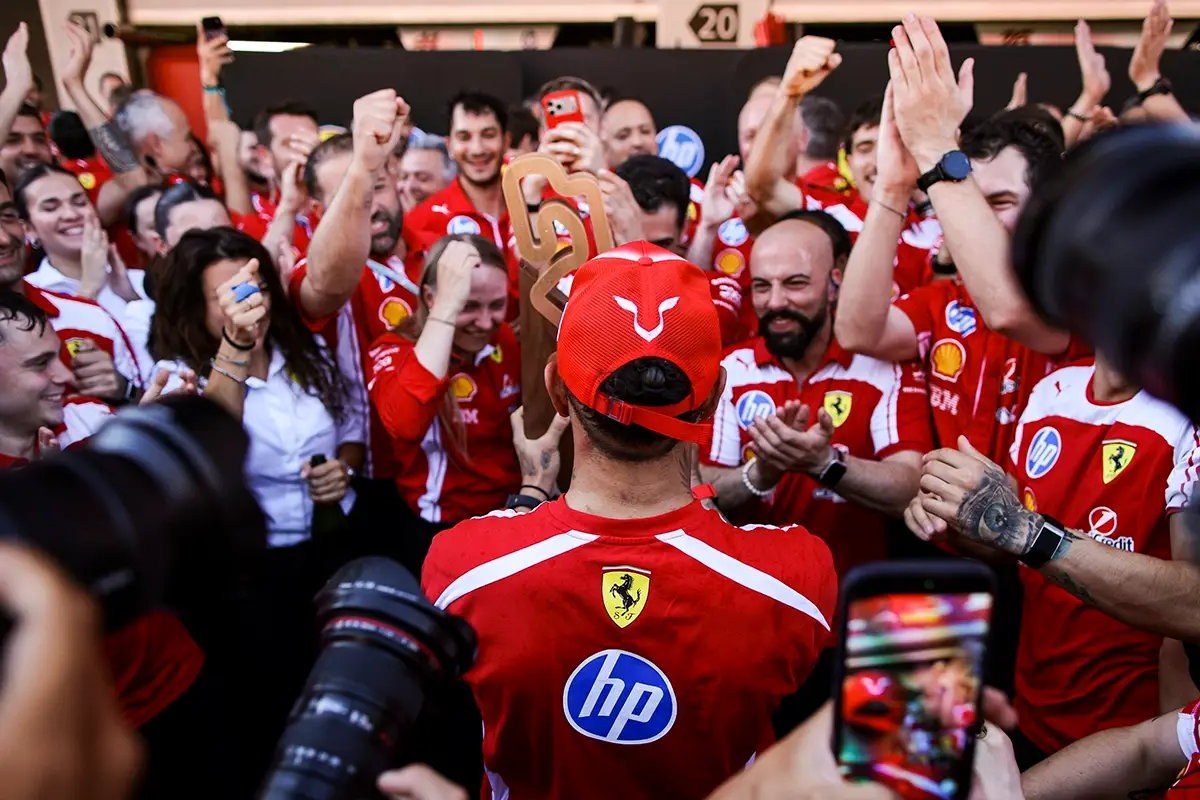
Lewis Hamilton’s Tyre Strategy (Short Summary)
Lewis Hamilton started the race on used Soft tyres, switching early on lap 11 to the Hard compound for his first stint. Mid‑race, on lap 27, he moved to Medium tyres, which gave him the pace to attack and overtake key rivals. During the Virtual Safety Car on lap 41, Hamilton made his final stop and bolted on another set of Mediums, allowing him to retain the lead and control the race to the finish. For more explanation look at our Knowledge Hub.
Mercedes: pace limitations and a growing reliability crisis
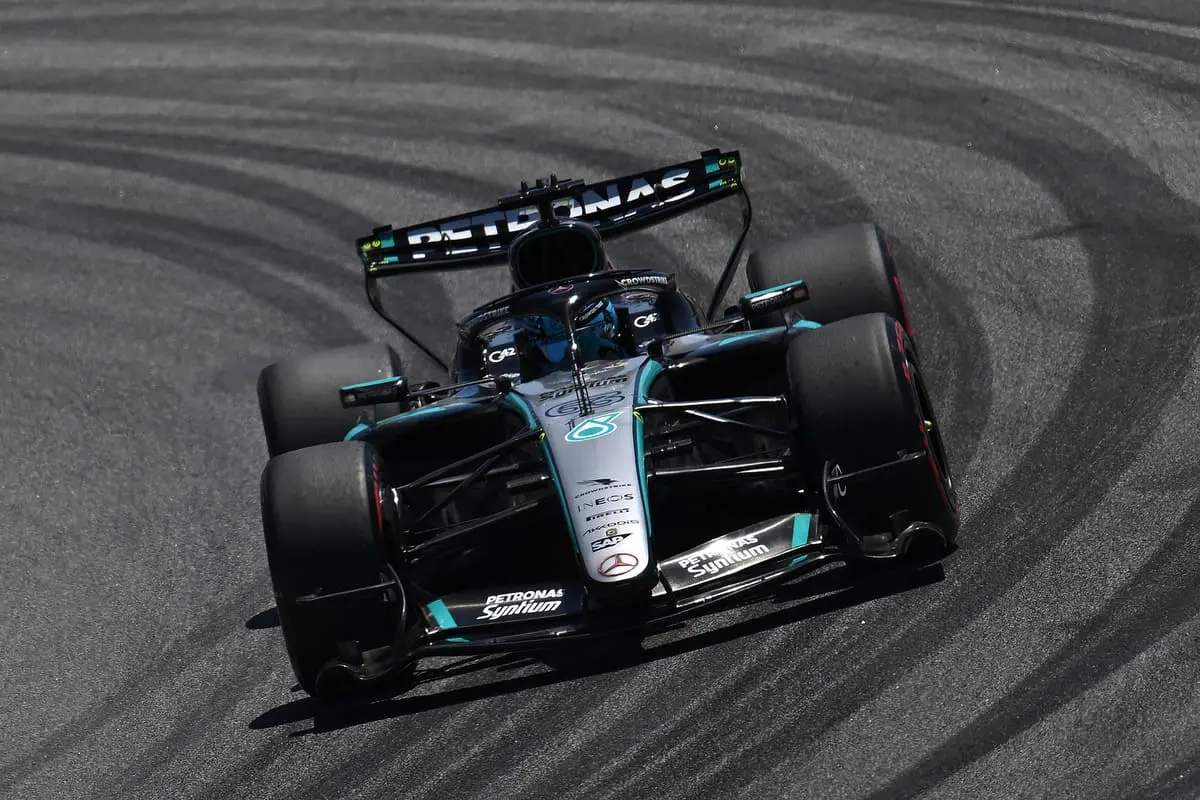
Mercedes left Barcelona with more questions than answers. George Russell struggled badly on the hard tyre, losing significant time to Kimi Antonelli in the opening stint and later being unable to match Hamilton’s pace. The W17 appears inconsistent and difficult to optimise, especially on the harder compounds.
But the biggest concern is reliability. Antonelli’s sudden retirement from the lead, moments after overtaking Russell, fits a worrying pattern of technical failures across both the works team and customer teams like McLaren. Many issues appear linked to the battery system.
Wolff admitted the team must “turn everything inside out” to prevent the championship from being decided by mechanical failures rather than performance.
McLaren: progress, but still lacking the edge
McLaren was cautiously optimistic. Lando Norris secured a podium thanks to Antonelli’s retirement, but the team acknowledges it still lacks the consistency and tyre advantage needed to challenge Ferrari or Mercedes. Earlier power‑unit deficits overshadowed chassis development, and only now can McLaren refocus on regaining last year’s strengths.
Red Bull: improvements visible, but the gap remains
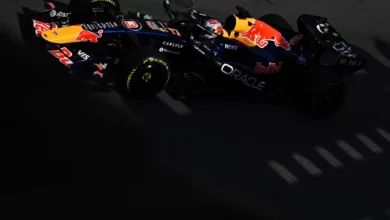
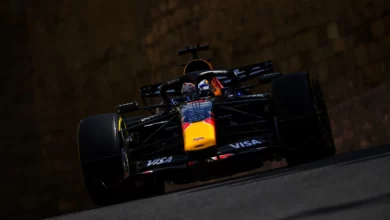
Red Bull Racing viewed Barcelona as a crucial benchmark for understanding the true performance level of the RB22. While a deficit of three to four tenths wasn’t catastrophic, the team openly admitted it is currently losing time everywhere: in fast corners, in slow corners and in overall tyre degradation. A major upgrade package will arrive in Austria, including weight reduction, but Red Bull stresses that several significant steps are still required to close the gap.
Max Verstappen delivered a solid race, yet afterwards he had to acknowledge that Red Bull was simply too slow across the board compared to Mercedes, Ferrari and McLaren. He attempted an alternative strategy, which gained him a little ground, but a finish higher than fourth was never realistically within reach. The message is clear: a lot of work needs to be done, though important upgrades are on the way.
Alpine again capitalised on retirements and penalties to secure a double points finish. Audi suffered frustration as Nico Hülkenberg retired when a stone triggered the kill switch, an absurdly unlucky incident.
Aston Martin endured a disastrous weekend. The car lacked pace, reliability issues struck both drivers, and Fernando Alonso described the chassis and engine as “the worst on the grid.” With Barcelona likely off next year’s calendar, this may have been his painful final home race.
Barcelona marks a turning point for Ferrari and Hamilton
This Hamilton Ferrari performance analysis shows that Barcelona was not a lucky win. It was the result of:
- Hamilton’s self‑reflection and persistence
- Vasseur’s willingness to listen
- A major technical step
- Strategic sharpness
- Rivals struggling with their own issues
For the first time since joining Ferrari, Hamilton looks completely at home and that makes him dangerous.