Gordon Johncock, the Indy 500 winner who could not celebrate his first victory, dies at 90
His 1973 victory was overshadowed by three deaths, his 1982 win came 0.16 seconds ahead of Rick Mears, and after racing he ran a sawmill in Michigan


Gordon Johncock, who won the Indianapolis 500 in 1973 and 1982 and the national championship in 1976, has died at the age of 90. He died on Monday 28 September at his home in South Branch, Michigan, of natural causes, a family spokesman told the Associated Press.
Johncock started 24 Indianapolis 500s and 262 Indy car races between 1964 and 1992, winning 25 of them. His two victories at the Speedway could hardly have been more different.
A win he could not celebrate
The 1973 race was one of the darkest in the history of the 500. Rain stretched it over three days and it was stopped after 133 of its 200 laps. Art Pollard was killed in practice, Johncock’s Patrick Racing team-mate Swede Savage died in July from injuries he suffered in the race, and crew member Armando Teran was struck and killed by a fire truck.
Johncock was the winner, but there was nothing to celebrate. Instead of attending the victory banquet, he went to the hospital to visit Savage.
“While his 1973 Indianapolis 500 victory was overshadowed by tragedy, that race was an inflection point for safety, leading to a vital shift in track engineering and regulations,” Indianapolis Motor Speedway and INDYCAR president J. Douglas Boles said in a statement.
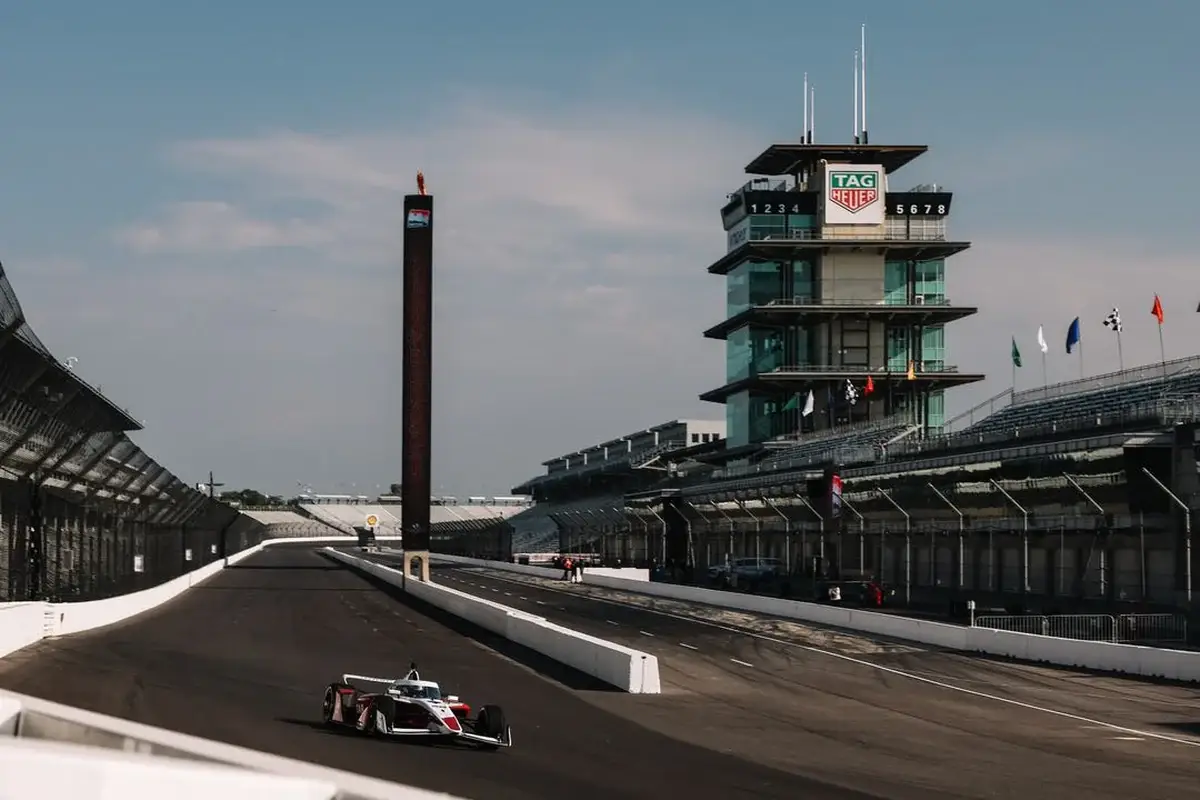
0.16 seconds ahead of Rick Mears
Nine years later Johncock got the win he could enjoy. In 1982 he held off Rick Mears through the final laps and crossed the line 0.16 seconds ahead, at the time the closest finish in the history of the race.
“Gordon was unable to truly celebrate his first win, so that made his second win in 1982, following a thrilling duel with Rick Mears, all the more memorable,” Boles said. “His victory is one of the iconic moments in the history of the Speedway.”
Between those two wins, Johncock took the 1976 USAC national title. He stopped racing full-time in 1985 and made occasional comebacks until 1992.
A sawmill in Michigan
Born in Hastings, Michigan, in 1936, Johncock began racing at local tracks in his home state before moving up to USAC in 1964. Boles described his style as “hard-charging, no-nonsense”.
After racing he largely stayed away from the sport. With his wife Sue he ran a sawmill near their home in Michigan and kept to a quiet life away from public appearances. He is survived by his wife, five children, two stepdaughters, 12 grandchildren, 17 great-grandchildren and one great-great-grandchild.
“Remembered as much for his quiet life away from racing, Gordon left a lasting impact on the world of motorsports,” Boles said.
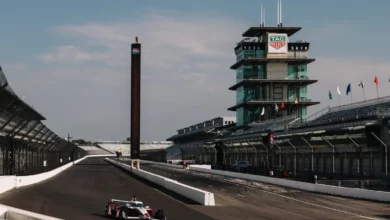
The Speedway he left his mark on
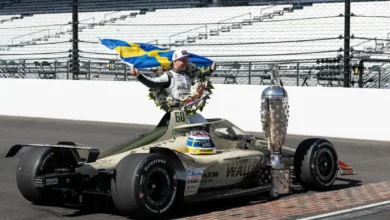
Johncock’s face is on the Borg-Warner Trophy twice, and his 1982 duel with Mears is still part of every conversation about the great Indianapolis finishes. This year’s winner Felix Rosenqvist will be celebrated at home in Sweden in December, as we reported, and the 2027 season is already on the calendar: see the 2027 IndyCar schedule.
What is your strongest memory of Gordon Johncock, or of the 1982 finish against Rick Mears? Tell us in the comments.