FIA ADUO ruling shakes up 2026 grid
Major shift as Red Bull’s ICE is rated strongest; rivals granted ADUO development rights


The FIA’s first official performance assessment of the 2026 Formula 1 power units has triggered a wave of reactions across the paddock. Red Bull Powertrains–Ford has been classified as the benchmark in combustion‑engine performance, while Mercedes, Ferrari, Honda and Audi have all been granted Additional Development and Upgrade Opportunities (ADUO) to close the gap. The ruling could reshape the competitive order before the new regulations even begin.
FIA’s first performance snapshot surprises the paddock
The FIA has confirmed the by Lewis Hamilton announced ADUO assesment, its initial evaluation of the 2026 power units, and the outcome has caught several teams off guard. For months, the widespread belief inside the paddock was that Mercedes had produced the strongest internal combustion engine (ICE) under the new regulations. That assumption has now been overturned.
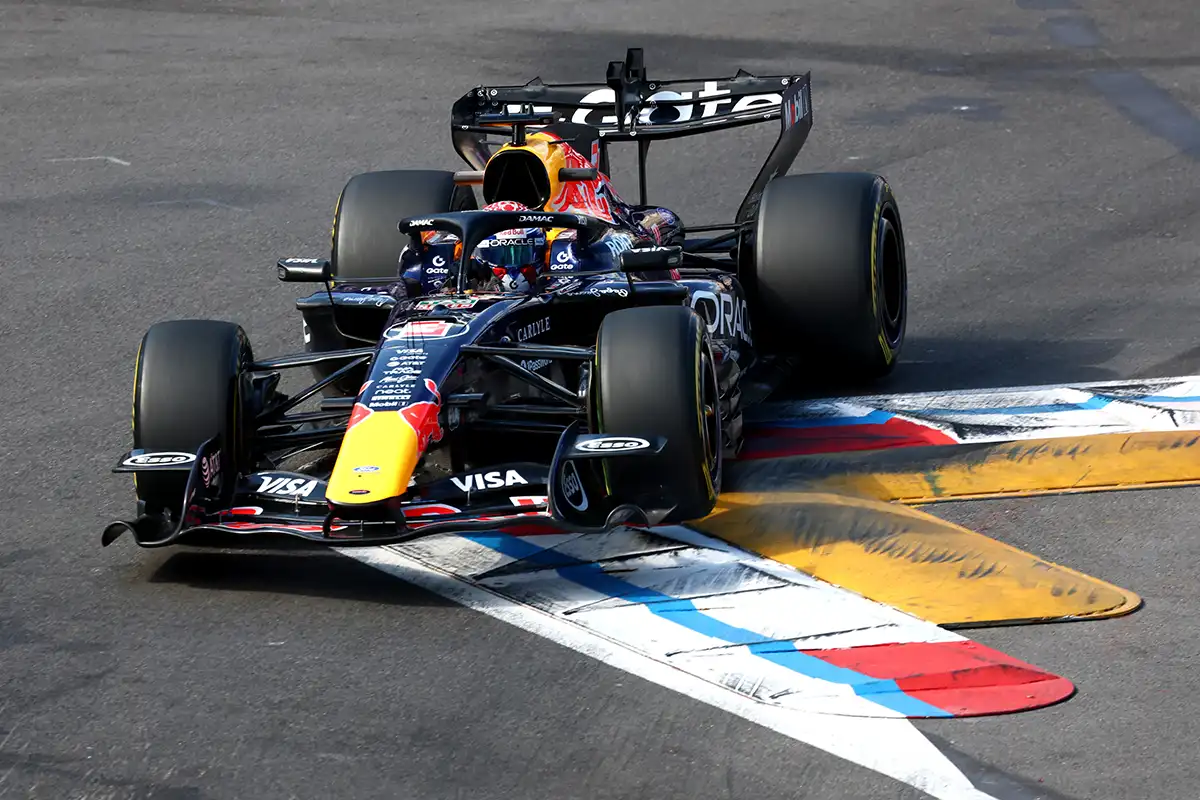
According to the FIA’s assessment, Red Bull Powertrains–Ford currently leads the field in ICE performance. This is a significant milestone for the relatively new engine programme, which only began development after Red Bull’s split from Honda. The result also means that Red Bull is the only manufacturer not eligible for ADUO development allowances.
The ADUO system was introduced to prevent large performance gaps from forming under the new engine freeze structure. Manufacturers who fall behind the benchmark by a certain percentage are granted additional development opportunities to restore parity. With Red Bull setting the reference point, every other manufacturer has been given room to improve.
How ADUO works and why it matters
Under the 2026 regulations, power unit development is tightly restricted. The FIA’s ADUO framework is designed to ensure that no manufacturer enters the new era with a decisive advantage.
The system works on a percentage‑based deficit:
- ≥2% behind the benchmark: one development update
- >4% behind the benchmark: two development updates
- Additional financial allowances may also be granted within the cost cap
This means that Mercedes, Ferrari, Honda and Audi all receive at least one update window, with some manufacturers receiving two. Red Bull, as the benchmark, receives none.
The implications are enormous. While Red Bull may currently lead on ICE performance, its rivals now have structured opportunities to close the gap and potentially surpass them, before the 2026 season begins.
Mercedes granted update rights despite strong early expectations
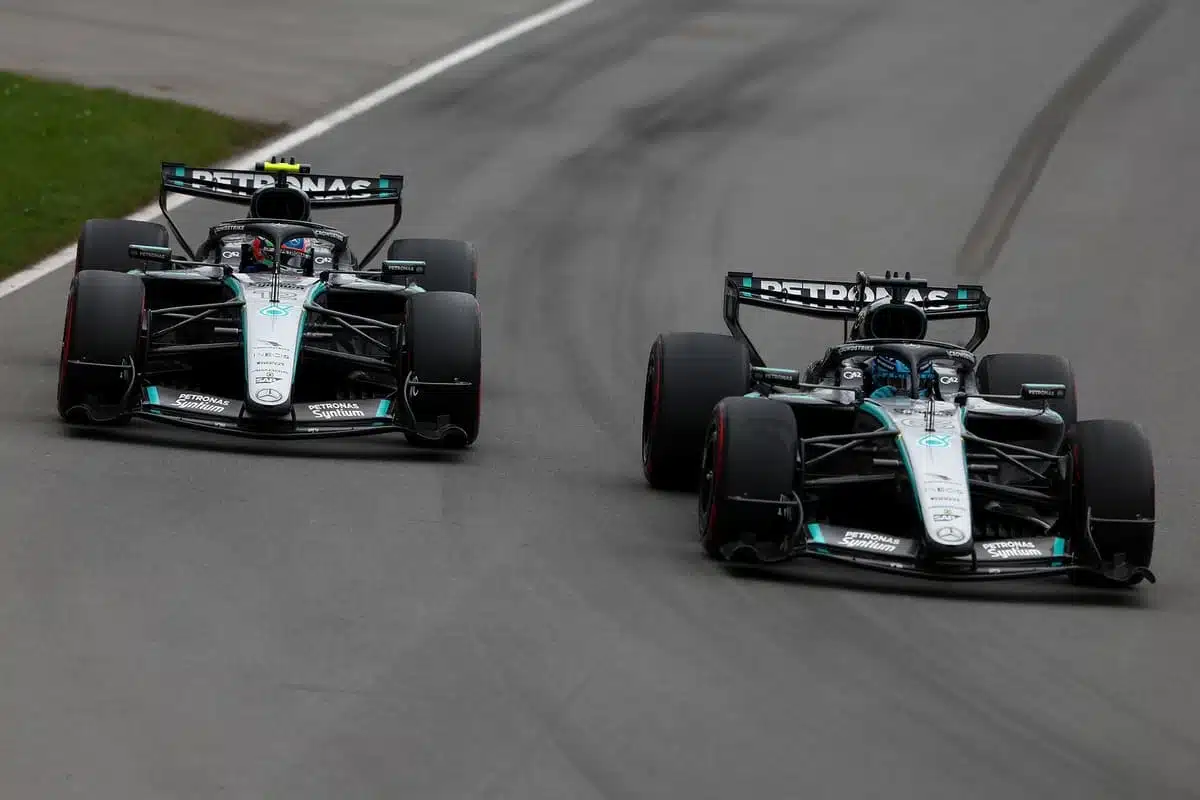
Perhaps the most surprising element of the FIA’s assessment is the position of Mercedes. The team had been widely rumoured to hold the strongest 2026 combustion engine, with several insiders suggesting that Mercedes had made a major breakthrough in thermal efficiency.
The FIA’s data, however, places Mercedes more than two percent behind Red Bull’s ICE. This grants the German manufacturer a single ADUO update. While not a dramatic deficit, it is enough to challenge the narrative that Mercedes was entering 2026 with a clear engine advantage.
Mercedes has already acknowledged receiving development allowances, indicating that the team is preparing to use its update window strategically. With the 2026 chassis and aero rules also representing a major reset, the engine picture is now far more complex than previously assumed.
Ferrari, Honda and Audi face larger deficits
Ferrari, Honda (supplying Aston Martin) and Audi are all reported to be more than four percent behind the benchmark. This places them in the category eligible for two ADUO updates, giving them the most development freedom of all manufacturers.
For Ferrari, this aligns with internal concerns that their early‑phase 2026 engine was not yet competitive. Honda, meanwhile, has faced challenges adapting its architecture to the new split‑turbo and energy‑management requirements. Audi, entering as a new manufacturer, was always expected to face a steep learning curve.
These additional update windows could prove decisive in shaping the competitive order for 2026 and 2027.
Red Bull leads on ICE, but not everywhere
While Red Bull Powertrains–Ford has been rated strongest in combustion performance, the team is not without concerns. Multiple insiders have indicated that Red Bull may still be behind in energy recovery and deployment, particularly in the MGU‑K and battery systems.
This creates an intriguing dynamic: Red Bull leads in raw combustion power but may be vulnerable in hybrid efficiency, a critical factor under the 2026 rules, where electric deployment plays a far larger role.
With no ADUO allowances, Red Bull must solve these challenges within the standard development limits.
A reshaped competitive landscape for 2026
The FIA’s ruling has effectively reset expectations for the 2026 season. What was once believed to be a Mercedes‑led engine era now appears far more open. Red Bull’s early ICE strength is significant, but the ADUO system ensures that rivals have structured opportunities to respond.
The next 12 months will be crucial. Manufacturers must decide how and when to use their update windows, balancing performance gains with reliability and integration into their chassis concepts.
One thing is certain: the 2026 engine war has officially begun, and the FIA’s first assessment has already changed the storyline.