Five minutes to find the fault, 48 to restart: the FIA explains the Sepang power loss
A 250kW wet-weather power cut went further than intended at low revs, the Sepang settings return in Singapore and new software follows in Austin

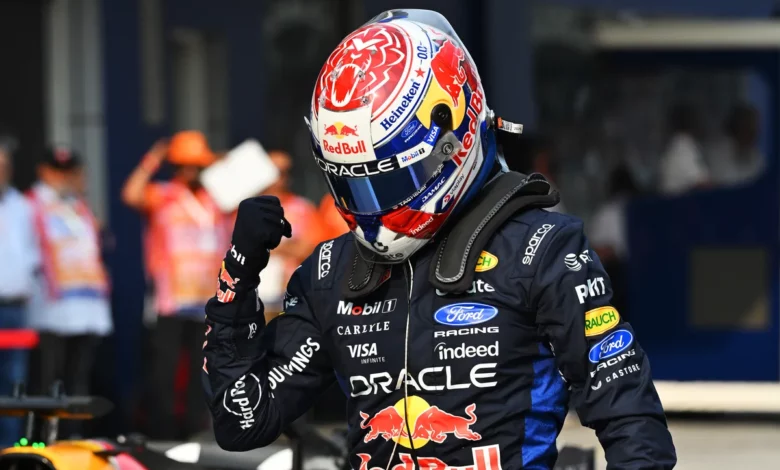
The FIA has found why several cars barely moved on the formation laps at Sepang last Sunday. On low engine revs, a 250kW power reduction built into the wet-weather software took away more power than intended, and the drivers could not get it back in those parts of the lap. The governing body published the findings of its review on 8 October, and confirmed that the Sepang settings will return in Singapore with a further software update to follow in Austin.
A power cut that went further than intended
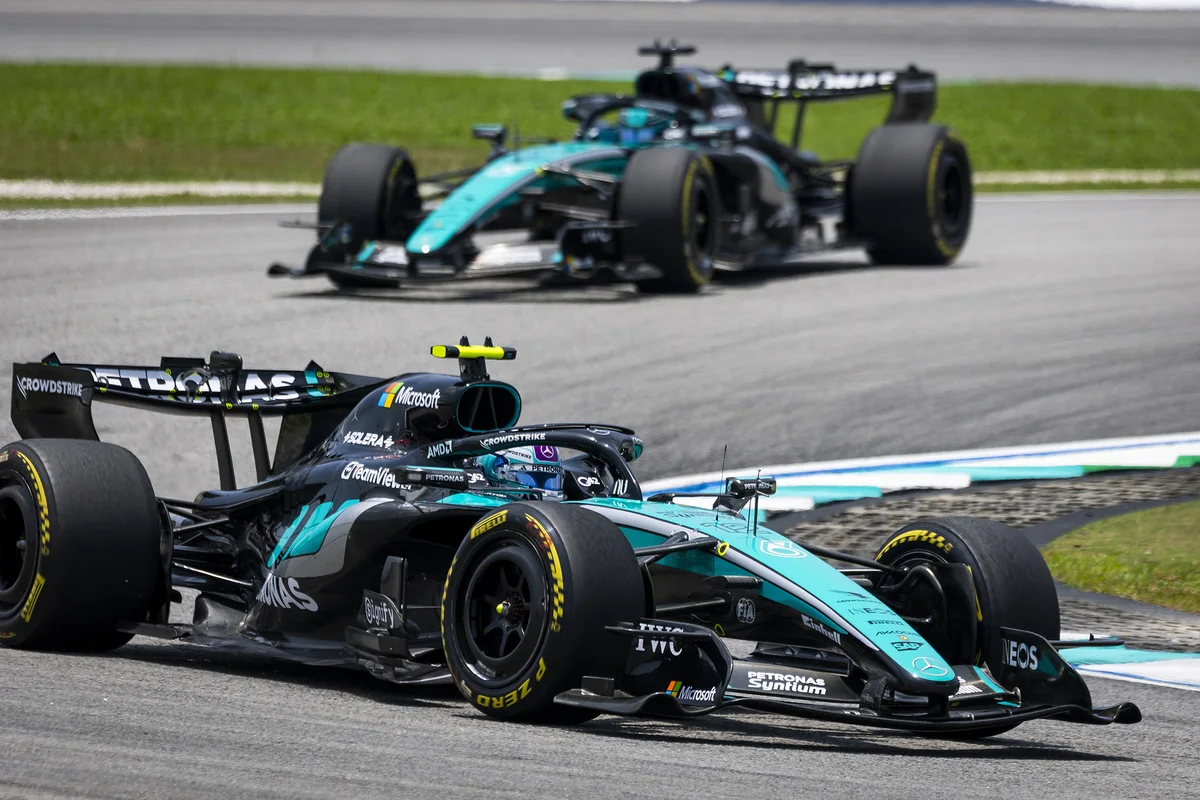
The 2026 power units run special software settings for wet conditions that limit the power available to the drivers. At Sepang that system misbehaved. According to the FIA, some cars running on low engine RPM in sectors where the 250kW reduction was applied “experienced a loss of power beyond the original intent and that could not be recovered in those sectors.”
The result was visible on the TV pictures. The FIA’s own race report described how problems hit “a number of cars, including polesitter Verstappen and Hamilton, leaving throttle inputs ineffective and prompting Race Control to suspend the start procedure.” Our report from Sunday showed car after car coming to a stop on the wet track.
Sergio Pérez was one of the first to name the cause after the race. “Some cars had a software-related issue at the beginning, which affected the running, and I understand this is something the FIA is looking into closely,” the Cadillac driver said.
Five minutes to find the fault, 48 to get going again
The FIA also published its timeline of the afternoon. Finding the problem was quick. Getting the whole field ready to race with new software took much longer.
| Local time | CEST | What happened |
|---|---|---|
| 15:45 | 09:45 | Start procedure suspended after two formation laps |
| 15:50 | 09:50 | FIA identifies the cause and releases an updated power unit software configuration |
| 16:03 | 10:03 | FIA gives the teams further technical guidance |
| 16:20 | 10:20 | Teams and power unit manufacturers finish integrating the new settings |
| 16:22 | 10:22 | Ten-minute signal for the start |
| 16:33 | 10:33 | Cars leave the pit lane |
Source: FIA statement, 8 October 2026, as published by RaceFans and Motorsport-Total.com. Sepang is six hours ahead of CEST.
That makes 48 minutes between the suspension and the cars heading out again, on top of the earlier rain delay.
Sepang settings for Singapore, new software for Austin
The immediate fix stays in place. “The configuration established for the Sepang event will be reinstated for the Singapore Grand Prix, should similar weather conditions be expected,” the FIA said. A longer-term change follows: “a further update to the wet weather software will be released for the United States Grand Prix” on 25 October.
The review also recommended better testing of the software. The FIA says it will work with the teams and the power unit manufacturers on stronger testing and verification, including input from the supplier of the standard ECU.
The FIA says the software was tested
The governing body pushed back against criticism after the race. “The FIA would like to address comments suggesting that the software had not been tested prior to its deployment,” the statement said. Teams and manufacturers ran simulations before it was introduced, and the package was then run in first practice at both the Belgian and the Dutch Grand Prix.
The FIA does accept that the chances to test this kind of software are limited.
Our read
On Sunday our doubt was that the 2026 rules had produced a car that does not like the rain. The FIA’s findings point in the same direction, but more precisely: the cars were fine, the wet-weather software was not. A safety system meant to make the cars easier to drive in the wet ended up taking so much power away that some of them could hardly accelerate.
The fix took five minutes. Getting it into every car took three quarters of an hour, with a full grid and a crowd waiting. That is the real lesson. With roughly half the power now coming from the hybrid system, software is as much a part of the car as the tyres, and a change on race day is never quick. Singapore runs the Sepang settings if it rains, so the next wet race is the first proper test of the repair.
What to watch next
- Singapore. Rain is always possible there. If it falls, the Sepang configuration comes back.
- Austin on 25 October. The first race with the new wet-weather update.
- The teams. Whether drivers and team bosses accept the FIA’s explanation that the software was properly tested.
For more on how the hybrid system works, read ERS explained. The full race story is in our Sepang race report.
Do you trust the FIA’s wet-weather software after Sepang, or should it be rethought before Austin? Tell us in the comments.