F1 2026 ADUO engine development results revealed by FIA
Mercedes, Audi, Ferrari and Honda all get extra homologation rights after falling behind on ICE performance.


The F1 2026 ADUO engine development programme has completed its first two assessment periods, and the FIA has now shared the results with every Formula 1 power unit manufacturer. This is big news.
The ADUO system, short for Additional Development and Upgrade Opportunities, is a brand-new mechanism built into the 2026 regulations. It gives manufacturers extra development room if their internal combustion engine performance falls at least two percent behind the best ICE on the grid.
In this article
F1 2026 ADUO engine development: who got what after Canada
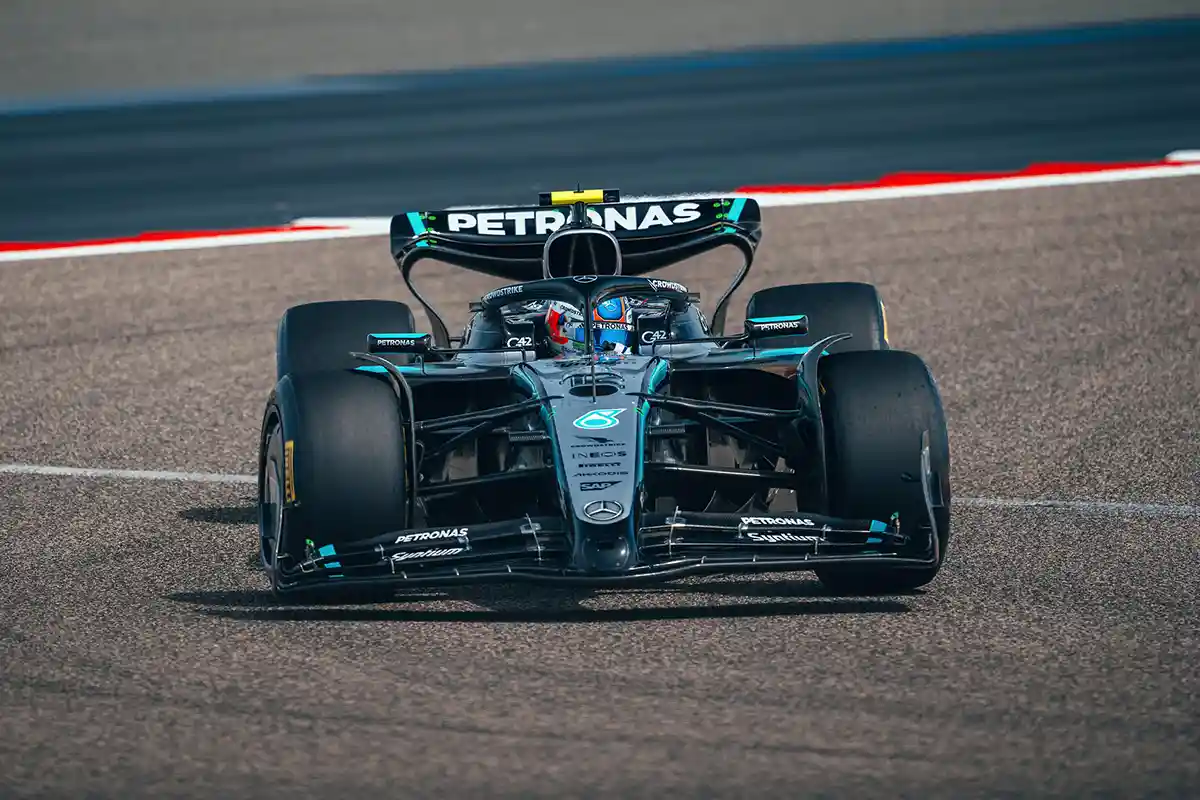
The first assessment period closed after the Canadian Grand Prix, and the findings are genuinely fascinating. Mercedes landed in the 2-4 percent deficit category. That earns them one extra homologation in 2026 and one more in 2027, plus additional cost-cap headroom and more dyno test time. Not a disaster, but a clear signal they are not where they want to be on the ICE side.
Audi, Ferrari and Honda are in a tougher spot. All three manufacturers exceeded the four percent deficit threshold. That puts them in line for two extra homologations in both 2026 and 2027, again with the matching financial and testing allowances.
Two extra homologations in each of the next two seasons is substantial. The FIA is essentially giving these manufacturers a legitimate pathway to close the gap, and the extra cost-cap space means they can actually fund the work needed to do it.
This is the ADUO system doing exactly what it was designed to do. No manufacturer gets left behind so badly that the sport becomes a two-horse race at the engine level. The performance-based trigger is smart. It is objective, it is measurable, and it rewards those who genuinely need the help rather than handing freebies out arbitrarily.
The F1 2026 ADUO engine development structure is shaping up to be one of the more intelligent regulatory tools the sport has introduced in years.
Second assessment period closes after Hungary with no new homologations
The second ADUO assessment period wrapped up after the Hungarian Grand Prix. The outcome? No new additional homologations were awarded. That tells you something. Either the gaps stabilised, or no manufacturer crossed a new threshold between Canada and Hungary.
The FIA has confirmed the underlying performance data remains strictly confidential and will not be made public. So the exact numbers stay behind closed doors.
What we do know is that the framework is ticking along as intended. Nikolas Tombazis, the FIA’s Director of Single Seaters, described the analysis as “thorough and robust.” He also flagged that the system can be refined further going forward, in consultation with all the power unit manufacturers.
That kind of collaborative language matters. It suggests the FIA is treating this as a living regulation rather than a locked-in ruleset, which is exactly the right approach when you are dealing with technology this complex.
RNT ExplainsWhat is ADUO, exactly?
F1 2026 ADUO engine development: what happens next
The third ADUO assessment period is already locked in. It will cover the races from the Dutch Grand Prix through to the Mexican Grand Prix. That is a meaty chunk of the calendar, and a lot can change across those events. If any manufacturer’s ICE performance shifts significantly over that stretch, the next round of results could look very different from what we saw after Canada.
For fans, this is worth tracking closely. The ADUO framework is quietly one of the most consequential technical regulations in the 2026 package.
Extra homologations, extra cost-cap space, extra dyno time. These are not minor perks. Over a multi-season cycle, they could genuinely reshape the engine hierarchy. Audi in particular, as an entirely new entrant, will be leaning hard into every advantage the system allows.
Ferrari and Honda, both with serious championship ambitions through their respective partnerships, will use those two extra homologation slots to push development as aggressively as the rules allow.
Mercedes will be motivated to move up out of the 2-4 percent bracket and stop handing rivals any structural advantage at all. The competition at the engine level is heating up in ways that will ripple all the way through to what we see on track.
For the full official breakdown of the 2026 technical regulations and how the ADUO programme fits in, check the FIA’s official 2026 Formula 1 technical regulations.