Porsche sounds the alarm: GT3 racing is becoming too expensive to survive
Rising budgets, escalating parts prices and mounting pressure on privateer teams push GT3 racing toward a critical tipping point.


- Porsche Motorsport chief Thomas Laudenbach issues a clear warning: GT3 costs are rising faster than teams can keep up.
- Manufacturers fear the category could lose its core philosophy if spending continues unchecked.
- Privateer teams are already struggling with budgets, parts prices and operational pressure.
- SRO and FIA face mounting calls to intervene before GT3 becomes unsustainable.
- The future of customer racing depends on cost control, transparency and long‑term stability.
The debate over the philosophy and expense of GT3 racing has become of utmost importance to the endurance racing sportscar world.
Thomas Laudenbach, manager of Porsche Motorsport, advised race organizers to take immediate action to prevent it from continuing further down the path it is on, by clearly and urgently stating his position. Below is the content of Thomas Laudenbach’s message about the current state of GT3 racing and ways to help preserve it.
Why GT3 racing costs and philosophy are under threat
The Cost and Philosophy of GT3 Racing is facing an existential crisis. The original idea behind the creation of GT3 was to produce an affordable race series for a wide range of desirable cars to race against each other equally. The participation of drivers of all levels of ability was to be positively encouraged while making sure that no drivers with Professional racing experience were allowed to race.
The original idea is currently undergoing trials; Ratel, the founder and CEO of SRO Motorsports Group, created a huge sensation when he said that many categories could face a long term risk of cancellation due to increasing expenses.
At that time, his words were meant for manufacturers who were creating more and more extreme GT3 cars and were moving away from the original concept of building the car first for the street and then racing it, which was the foundation of this racing category for many years.
Laudenbach will now be adding his voice to this conversation too. Sportscar365 reports that the head of Porsche Motorsport expresses worry about the price of the GT3 platform getting out of control. These are serious words from a really important figure in GT racing, and he is sending them directly to the people that make these rules.
This is the real meaning behind Laudenbach’s position on GT-3 racing.
Laudenbach has helped to promote regulations that support common sense. He has always felt that GT3 should provide an opportunity for private teams to participate and not be just another outlet for fabricants to compete with one another through technological means. In addition, Laudenbach has indicated he would be willing to use the same specifications of GT-3 cars that the Porsche customers race on a global scale. he also said, “GT3 is customer racing for our brand.”
In addition to being explicit about his preferences, he has additionally been explicit about what he finds undesirable. He has pointed out that we should create a framework for conditions that are reasonable in terms of how much money it takes. We saw many series with outrageous prices in the past.
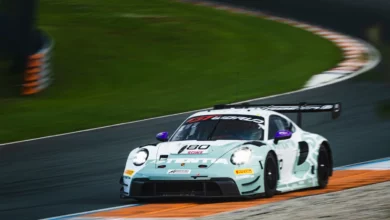
Porsche’s dedication towards the GT3 segment is very firm. In the 2026 racing season, Porsche customer teams will be participating with the newly updated 911 GT3 R in two main GT series in the world and most significant standalone races, such as FIA World Endurance Championship and DTM.
This is a massive R investment in the platform. Laudenbach wants to remain involved with this investment to keep it relevant, effective, and attainable by as many teams as possible. You can follow the three-way fight for the worldwide standings in the GT World Challenge global, where Mercedes, Porsche and Ferrari are locked in a stunning fight.
Numbers that prove it
The prices for new GT3 race cars today (2026 models) are shocking. The 2026 Porsche 911 GT3 R Evo costs a base of $573,000 before taxes today. Again, that figure represents just the cost of the car itself. Then there is Porsche: Aston Martin rolled out the Vantage AMR GT3 Evo in the 2024 model year for a price of £575,000 before taxes in 2024. however there most recent quote for the 2026 model has the car by itself priced at over $716,000 before taxes today.
The problem is that even though two cars may share the same platform (the same chassis, for example), their running costs can be completely different just by reason of which racing series or championship they participate in. When you add the cost of travel, tyres, engineering support, and hospitality on top of a car that cost more than half a million euros to buy, the barriers to entering motorsport are huge.
The higher profile series that use GT3 cars, like the FIA World Endurance Championship and the GT World Challenge Europe Series (organized by SRO), could probably absorb more expenses than the lower-level championships that the success of the GT3 category is based upon.
Laudenbach is pushing to act immediately precisely for those reasons.
History demonstrates to us the way things conclude once prices get totally out of hand. The GT1 era of the 1990’s collapsed due to an ever increasing price structure, not to mention the reduction in manufacturer participation and the introduction of the Hypercar class, all contributing to the end of GTE beyond 2023.
It is the desire of most to keep GT3 from going in a similar direction. We have already been writing about how there was tension and conflict between the WEC and GT World Challenge, and this will play a huge part in developing new sportscar series schedules.
Here’s to protecting GT3 racing costs and its ethos!
The way forward begins with the regulations that govern it. Ratel said to the ten manufacturers united in GT3: ” if they carry on like this then we will be heading for disaster.”
This is the way they can be kept at a distance, as Laudenbach reinforces this with matching language.
The set of rules which are in place are based on a single platform according to him and the manufacturer are going to collaborate soon to come up with a framework for the FIA and ACO to be able to use in the near future. It really makes sense that there should just be be be one platform, one philosophy, with costs that are easy for every racing category to afford.
Ratel has said I put the point for discussion on table. And i think it should be taking in by considering and will act upon it. Otherwise GT3 would still happen but much less of participants involved. That’s an unnerving situation to consider for a category that currently has a vast amount of participation worldwide. You can see the type of investment teams have been putting into the GT3 category with massive programs currently being built on top of the platform by teams such as Winward Racing.
What it means to our teams and fans.
This topic is of great importance to the sport including cost and philosophy of GT3. According to Mr. Ratel,
“the majority of what forms the GT3 category is the fact that it is based upon customer participation and provided that remains the case then we will be alright.”
The above statement of belief can be echoed by Mr. Laudenbach who in conjunction with other members of the SRO are making haste to resolve the situation, lest it become irreparable. He feels, “there are going to be times when you don’t win the championship but ultimately you stick to your ethos, your philosophy that you have today and have been doing that for many a decade.”
The regulatory debate over the next few months will largely focus on the costs of GT3 racing and GT3 racing philosophy. The Manufacturers, Organisers and the FIA each play a part to get on with as well, and Porsche, by Laudenbach, is making it crystal clear where they stand. The sport has to listen.